
Garage Door Service in Harper Woods
Garage Door Repair for Harper Woods Homes Built Around 1955
Harper Woods homes went up around 1955, a few years ahead of the wider Warren area. We drive the 6 miles out to fix the springs, tracks, and openers that era actually uses.
What Happens When You Call
-
1
Call or Request a Quote
Tell us what the door is doing and roughly how old the house is - that alone points us toward the likely part before a truck leaves.
-
2
On-Site Diagnosis
A tech checks the spring, cables, tracks, and opener in person and tells you plainly what is actually wrong.
-
3
Straight Price, No Surprises
You get a number before any work starts. It covers parts and labor, nothing added after the fact.
-
4
Fixed the Same Visit
Most repairs are done in one trip. If a part needs sourcing, we tell you that upfront instead of guessing.
How to Book
We work out of Warren and cover Harper Woods as part of the regular route, about 6 miles from the shop. There's no branch office here and no separate crew - the same trucks that run Warren calls come out for Harper Woods jobs. When you call, tell us the door's rough age if you know it.
Harper Woods houses tend to run a couple years older than the area median of 1957, closer to 1955, and that changes which springs and openers we bring on the truck. If you don't know the year, that's fine - we can usually tell from a photo of the track and header. We book same-day when the schedule allows it, but we won't promise a window before we've heard what's broken; a stripped gear and a snapped cable are not the same visit.
If you're not sure this is the right page, our main Warren service page covers the full list of what we do across the area. This page is just about what a Harper Woods call typically involves.
What the Fix Involves
A house built around 1955 usually means an older torsion or extension setup, often original steel that's been repainted more than once. That's a few years ahead of the broader area median of 1957, and it shows in small ways - narrower track gauge, older-style drums, hardware sized for lighter doors than what gets installed today. Springs from this era wear out the way all springs do, but replacing them means matching the original cable drum size or swapping the whole assembly, which is a longer job than a straight spring swap on newer hardware.
We're not going to pretend every part is stocked on the truck. Some of the older extension-spring hardware and specific drum sizes take a supplier order, and we'll tell you that up front rather than string out a return visit.
Openers from this vintage of house are almost always replacements already, since chain-drive units from the original build don't survive sixty-plus winters. What we're usually working on is the second or third opener a house has had, paired with first-generation track.
Time on the Job
A straight spring replacement on a single door runs shorter than most people expect, but the winter cold matters here - this area sits in a severe cold climate band, and steel torsion springs get stiffer and harder to wind safely below freezing, which slows the job down and changes how we handle it. Track alignment on an older frame takes longer too, since a 1955-era jamb has usually shifted a little over the decades and needs shimming that a newer, squarer frame doesn't.
Opener installs and cable replacements are more predictable, but we still budget extra time for houses in this age range because we're often finding a second problem once the first one's exposed - a roller that's seized, a hinge that's cracked, wiring that was never grounded to code. We'd rather find that on the visit than get called back in three weeks.
How It Shows Up
The complaint we hear most from this part of the service area is a door that's noticeably heavier to lift by hand than it used to be, or an opener that strains and reverses partway up. On a house from the mid-1950s, that's usually a spring that's lost tension gradually rather than snapped outright - the kind of failure that creeps up over a winter instead of happening all at once. Given the median household income here runs lower than the wider area's, a lot of homeowners want to know honestly whether it's a spring job or a full door replacement, and we'll tell you straight: if the panels themselves are original steel and rusted through at the bottom, a new spring won't fix what's actually wrong.
We don't do cosmetic panel matching if only one section is damaged and the rest are original - sometimes the honest answer is that a mismatched panel is the cheaper, more sensible fix than replacing a whole door that still works fine otherwise. See our Harper Woods area page for more on what we cover nearby.
Why Harper Woods Calls Us
Other Garage Door Services in Harper Woods
Talk to a Harper Woods Technician First
Describe what the door is doing and get a straight answer on what it likely needs.
Recent Work in Harper Woods
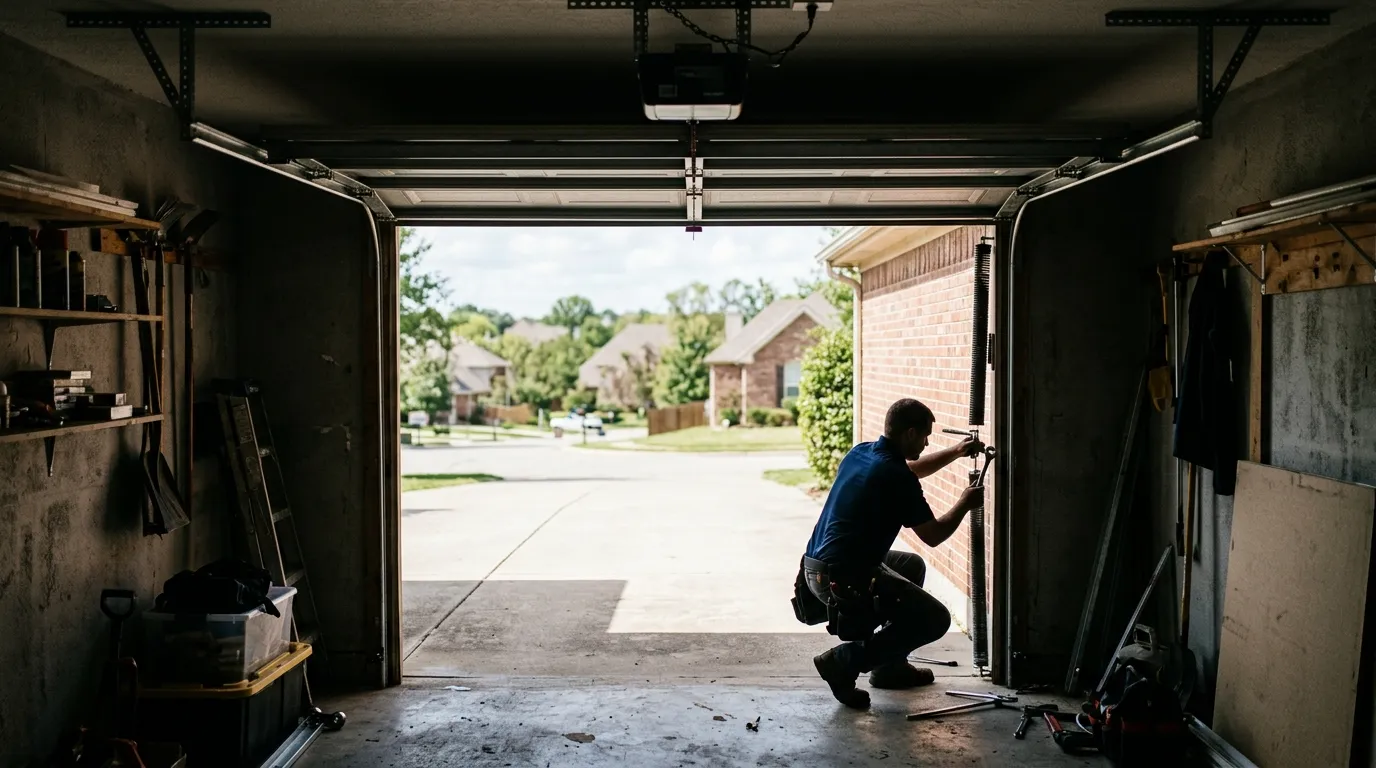
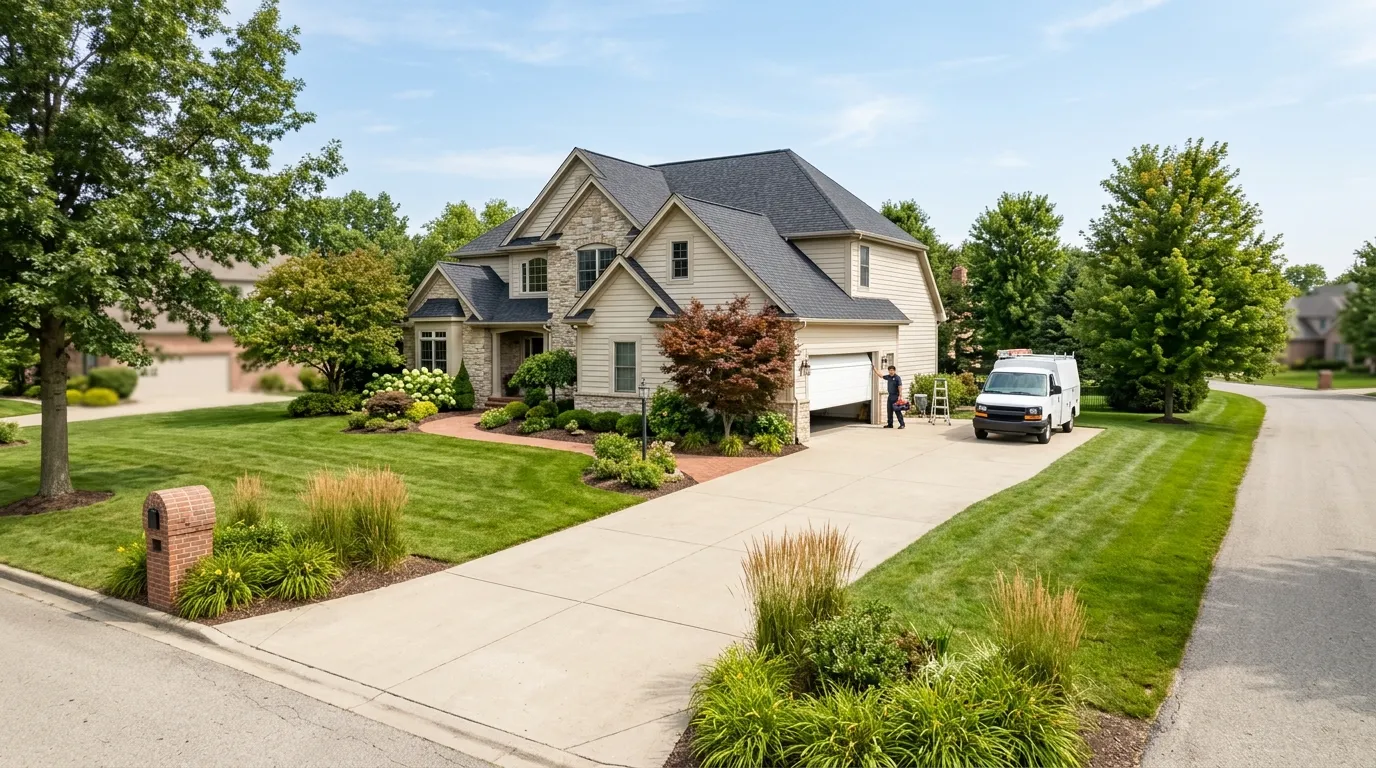
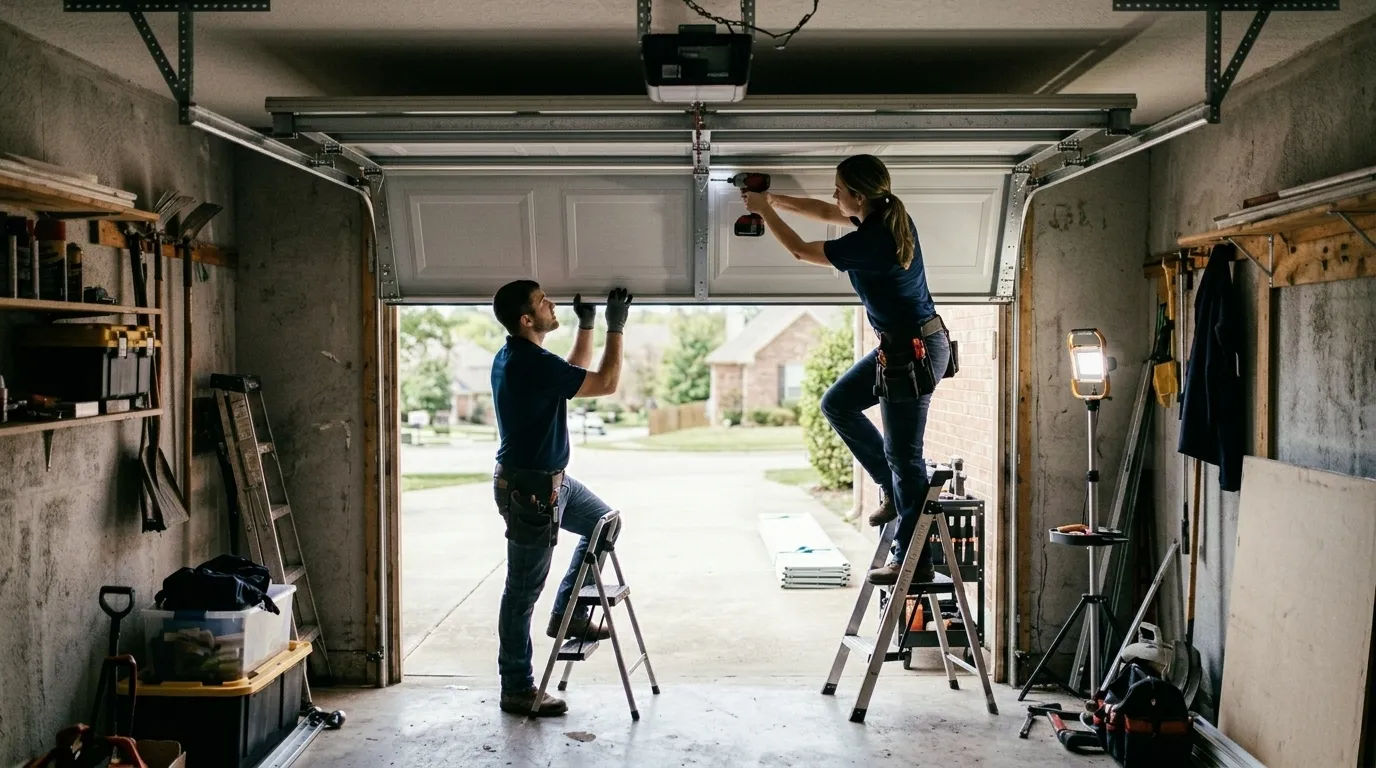
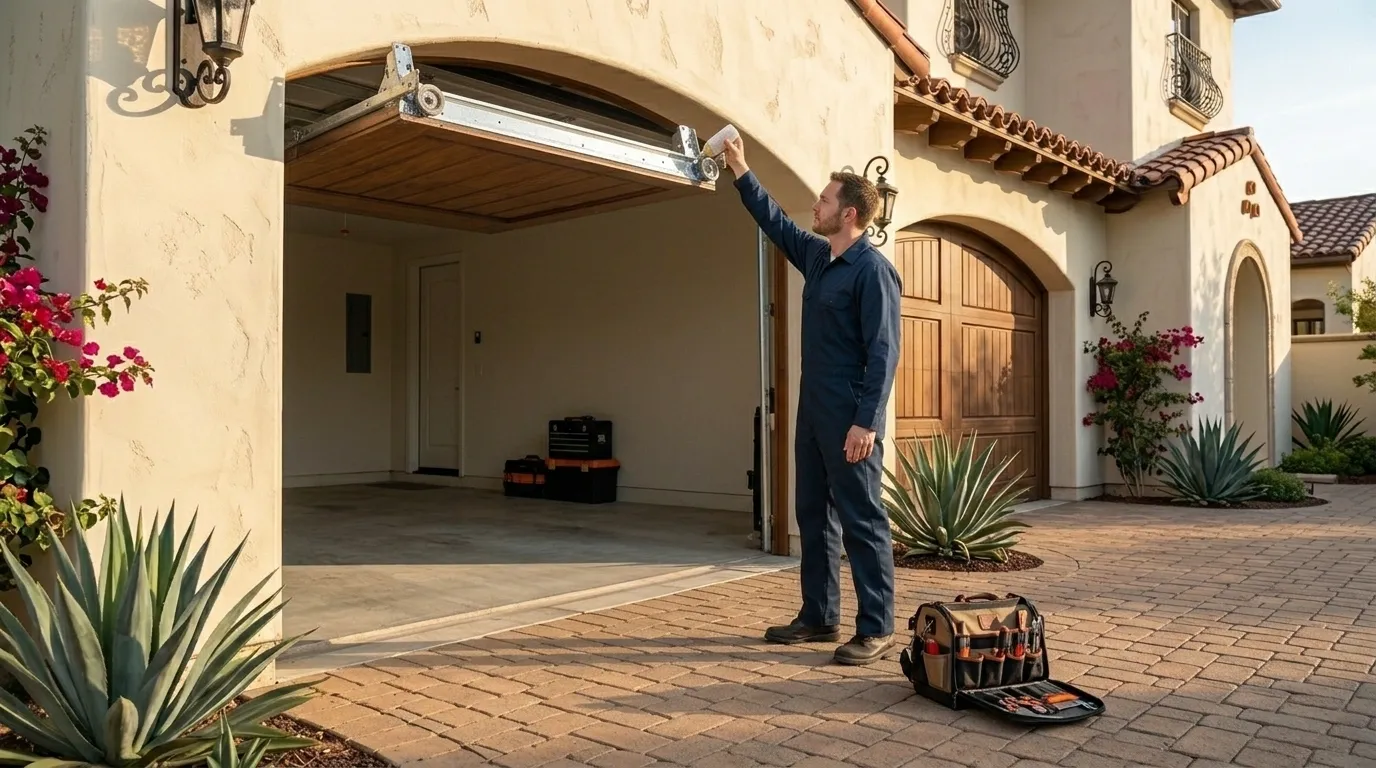
A look at jobs our crew has been on nearby.
Frequently Asked Questions
How far out is Harper Woods from your shop in Warren?
About 6 miles. We don't keep a separate office or crew in Harper Woods - the same trucks that handle Warren calls run out this way on the regular schedule.
Are Harper Woods garage doors older than the rest of the area?
A little. Houses here tend to date to around 1955, just ahead of the broader area's median build year of 1957, so the hardware and track gauge often run a step older than what we see on newer stock nearby.
Do you stock parts for older torsion springs on the truck?
Not always. Some drum sizes and extension-spring hardware from mid-1950s installs need a supplier order. We'll tell you on the visit if that's the case rather than guess and make you wait for a return trip.
Does cold weather actually affect a spring repair here?
Yes. This area sits in a severe cold climate band, and torsion springs get stiffer and less forgiving to wind below freezing. It doesn't stop the job, but it does change how we approach it and can add time.
Need Garage Door Service in Harper Woods?
Call now for straight answers on cost and timing.