
Warren Garage Door Guide
Why Warren's Old Housing Stock and Cold Winters Are Hard on Garage Doors
Most Warren homes were built between 1938 and 2000, many before 1960 and before insulation rules, and Warren's severe cold winters push old doors hard.
- Licensed & Insured
- Same-Area Service Calls
- Upfront Pricing
How Local Conditions Play In
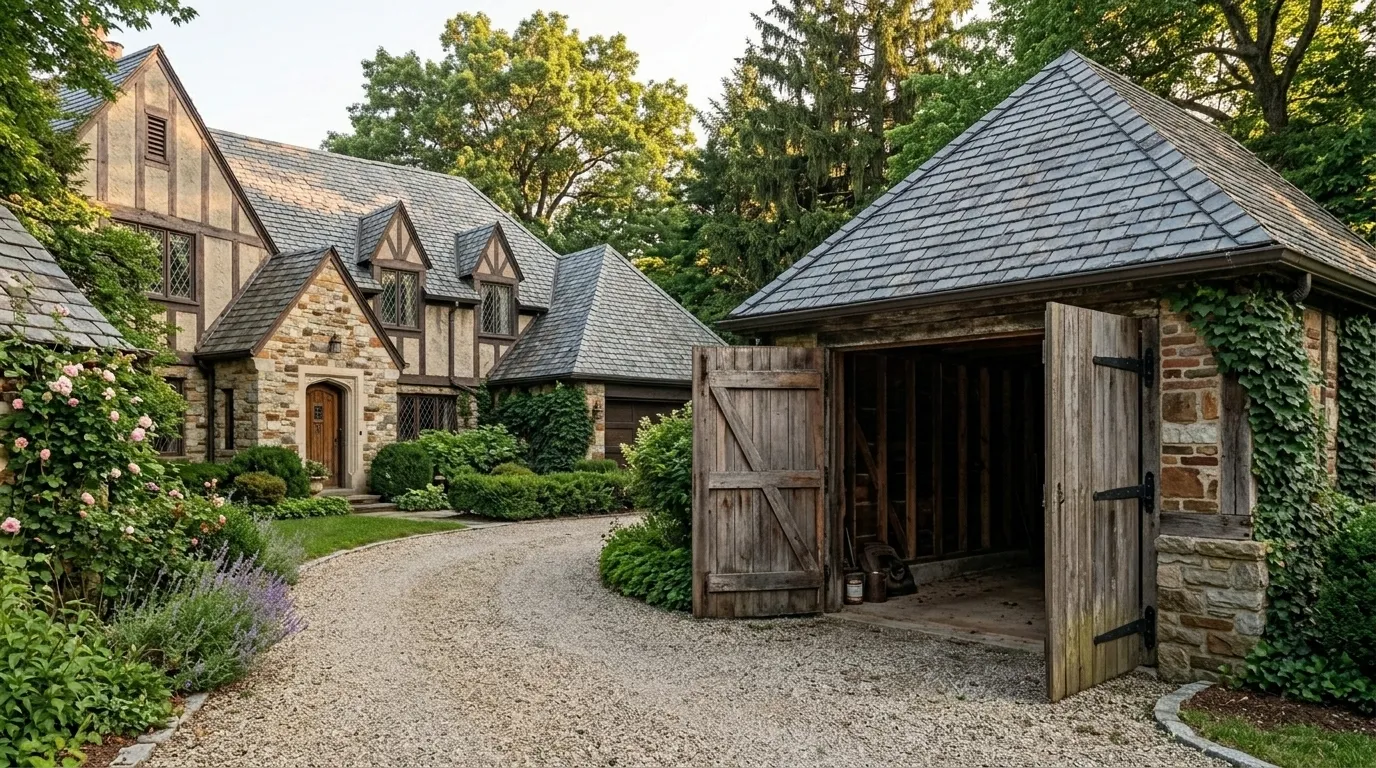
Warren's housing stock runs from 1938 up through 2000, with the median build year landing at 1957. That's not a footnote - it means a large share of the garages in this city were framed before anyone worried about vapor barriers or thermal breaks in a sectional door.
Across the 41 named areas that make up this service territory, the pattern holds: mostly pre-1960 construction. A garage built in that era usually has a single-layer door, wood jambs that have shifted with 60-plus years of freeze-thaw, and hardware sized for a lighter panel than what's often bolted on today after a past replacement.
When a door was swapped out once in the 1980s or '90s but the opening, header, and track brackets are original to the house, you get mismatches - a track that's slightly out of plumb because the framing moved, or lag screws biting into wood that's drier and more brittle than it was when the house went up. We see a lot of doors on houses built before insulation rules, where the door itself is fine but the seal around it never really worked because the opening wasn't built to modern tolerances. That combination - old framing, cold climate, and doors added or replaced piecemeal over decades - is the starting point for most of the calls we run in this city.
When It Stops Being a DIY Job
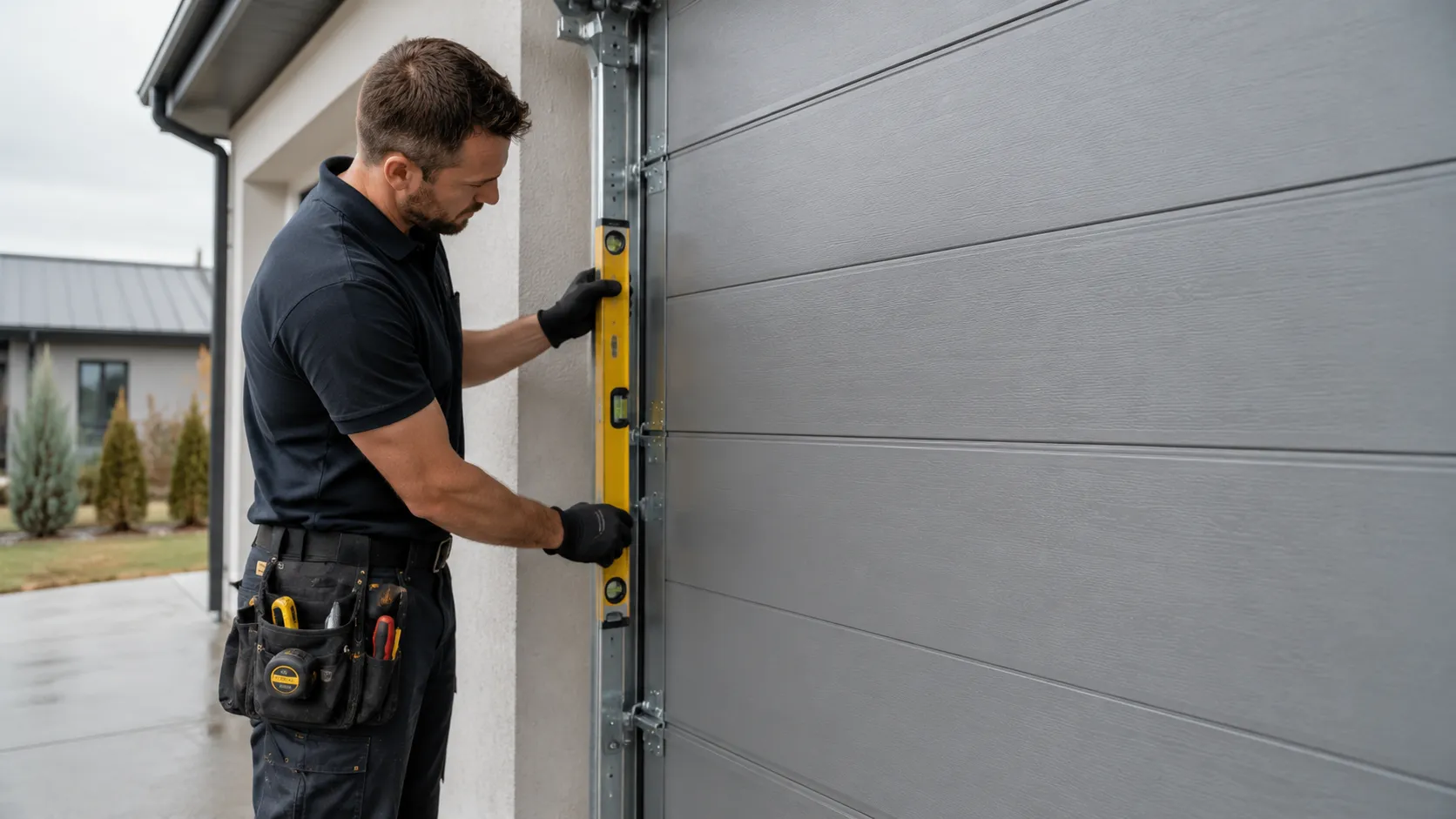
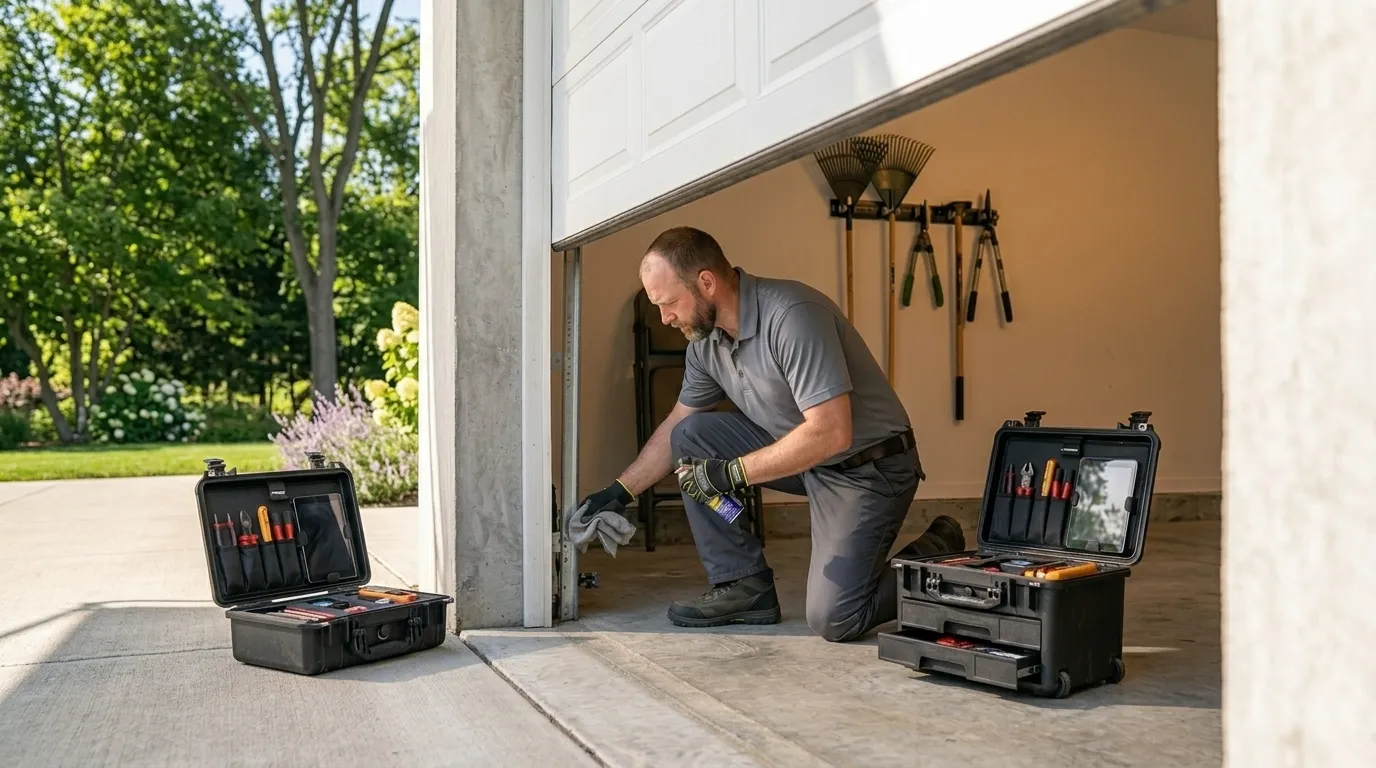
A lot of garage door work is reasonable for an owner to handle - lubricating rollers, tightening loose hinge bolts, clearing a track of debris. Where it stops being a DIY job is torsion spring replacement, full track realignment, or anything involving the cable drums under tension. On a house from the 1950s or earlier, add one more wrinkle: the header board behind the track mount is often thinner or softer than what's used in new construction, so a bracket that looks solid can pull loose the moment real spring tension goes back on it.
We'll say plainly what we don't do: we don't recommend patching a torsion spring system on original 1950s hardware and calling it done. If the drum, shaft, or header wood is original to a house from that era, replacing the spring is often the point where you also replace the mounting hardware, because reusing 60-year-old brackets under new spring tension is how a door comes down on someone. That's not upselling - it's the same judgment call any garage door tech has to make on housing this old, and it's worth knowing before a spring lets go on a cold morning.
What Changes With the Season
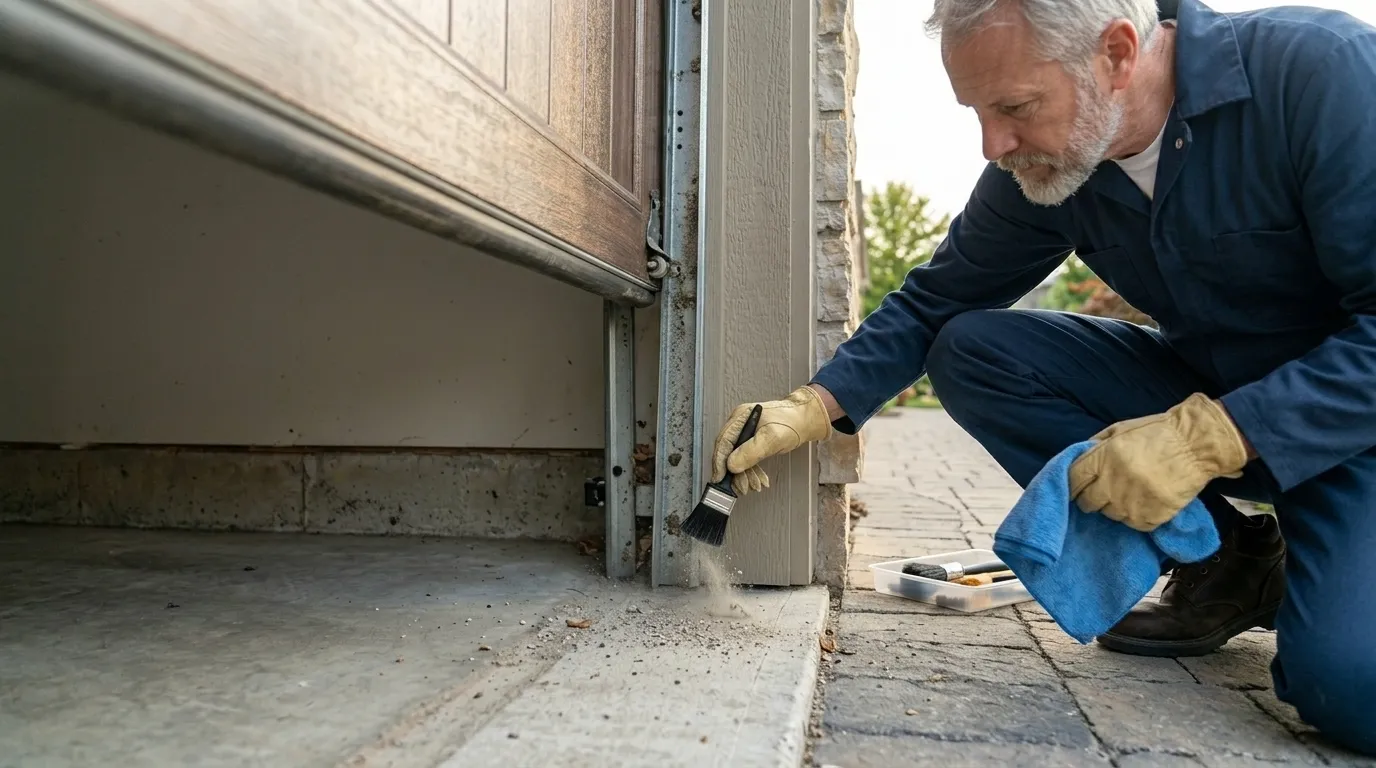
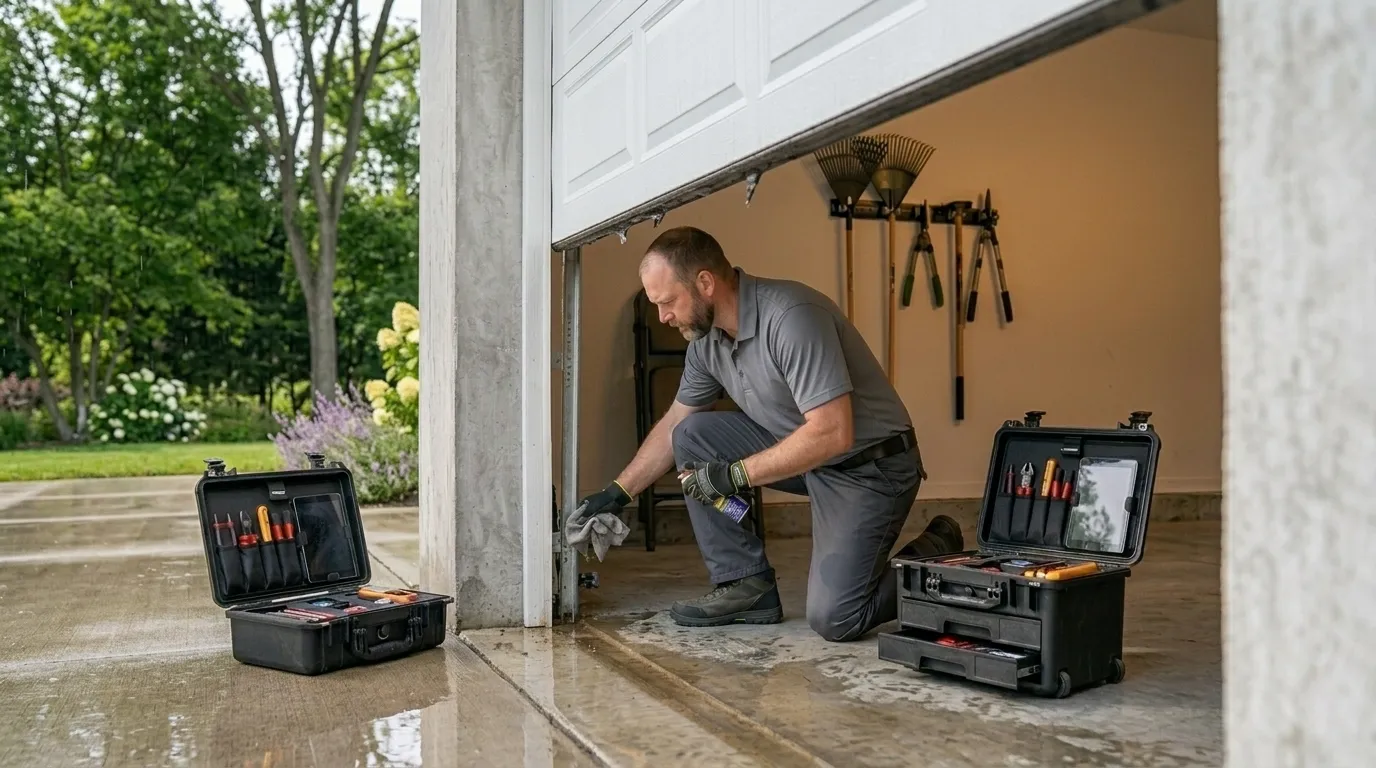
This region sits in a severe cold climate band, and that shows up in specific, predictable ways on garage doors - not just "it's harder to open in winter," but real mechanical stress. Steel torsion springs lose tension as temperatures drop, so a spring that was marginal in October can fail outright in January. Nylon rollers stiffen and crack in sustained cold, and on older tracks that were never perfectly plumb to begin with, that stiffness is enough to cause a roller to jump or bind.
On houses built before insulation rules were common, the garage itself often runs close to outdoor temperature, so the door's hardware experiences the full swing of a Michigan winter with no buffer from an insulated slab or heated space behind it. Condensation on cold steel panels, ice forming in the bottom seal track, and cables that lose flexibility all show up more here than they would on a newer, better-sealed structure. Spring and fall bring their own issue - the freeze-thaw cycle works on wood jambs and concrete aprons that have already had decades to settle unevenly.
What Is Going On
Put those two things together - a median build year of 1957 and a severe cold climate - and you get a specific, recurring failure pattern rather than a random one. It's not that garage doors in this city are worse than doors anywhere else. It's that a large share of them are original or near-original installations on framing that predates modern building code, sitting through winters that stress steel and nylon harder than a mild climate would.
That's the frame we work from on every call: how old is this opening likely to be, and what has 60-plus winters done to it. A door that looks fine in July can be one hard freeze from a broken spring in January, and a track that's held for decades can still be a quarter-inch out of plumb because the house settled before anyone was checking.
None of this means every old door needs replacing - plenty of original hardware is still sound. It means the diagnosis has to account for the age of the house, not just the age of the door.
How We Can Help
Garage Door Repair
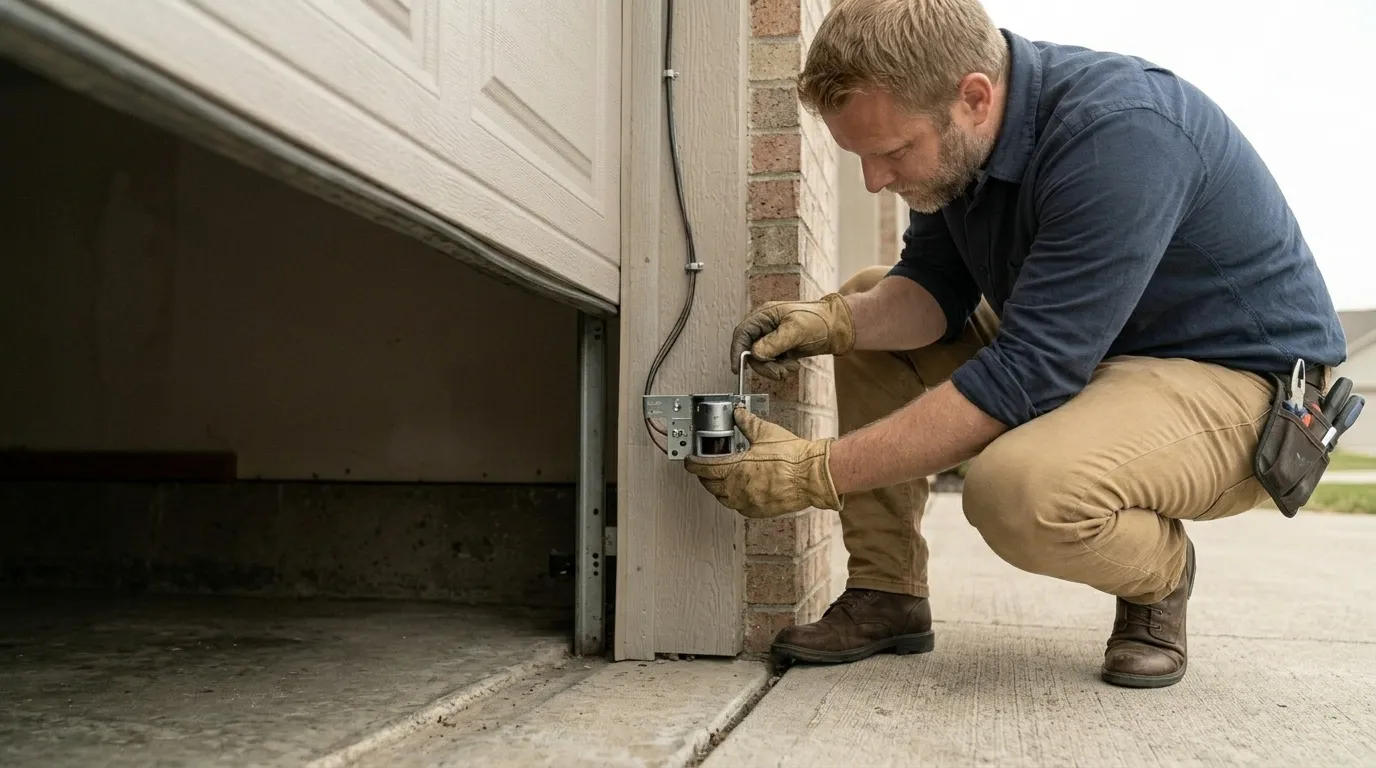
Springs, cables, tracks, rollers, and openers fixed by a tech who explains the problem before touching anything.
Learn more →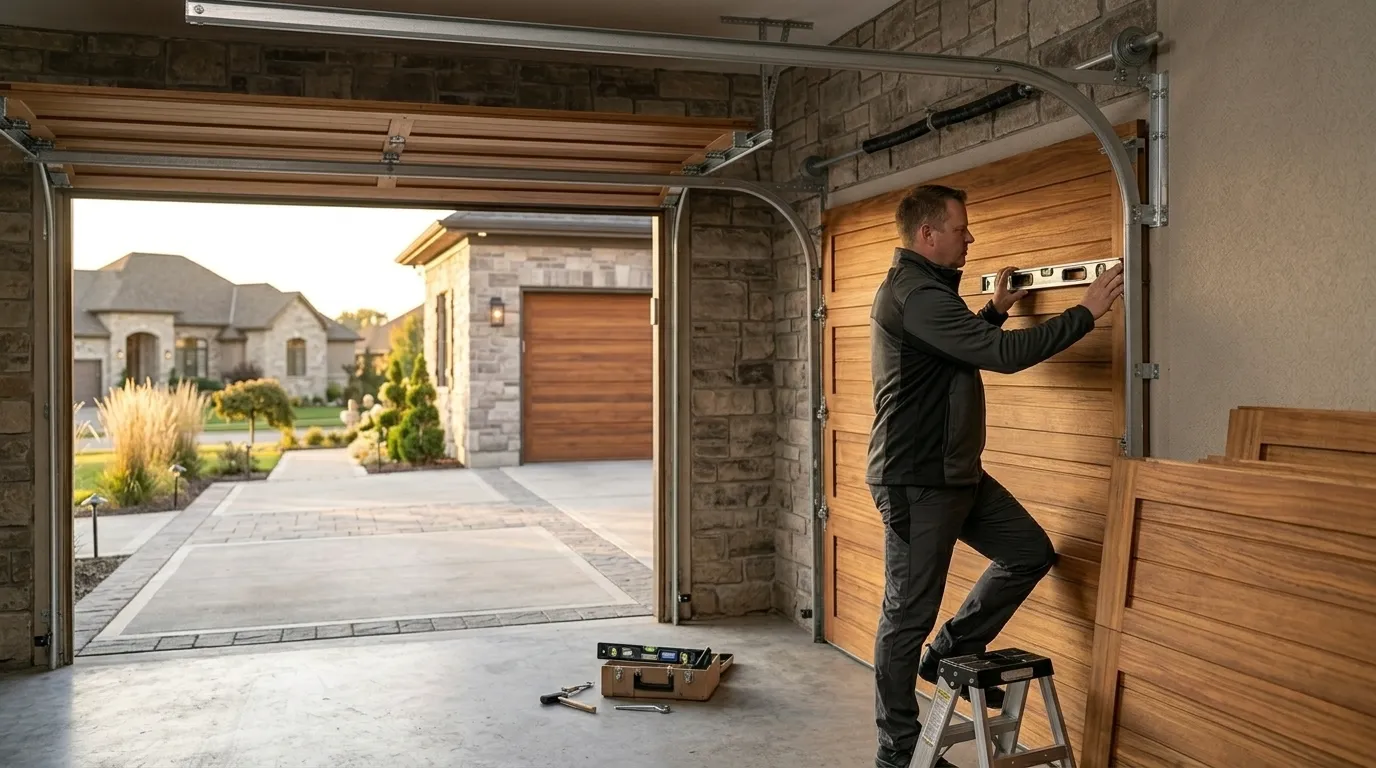
Garage Door Installation
New sectional doors sized and installed for the housing stock actually built in this area.
Learn more →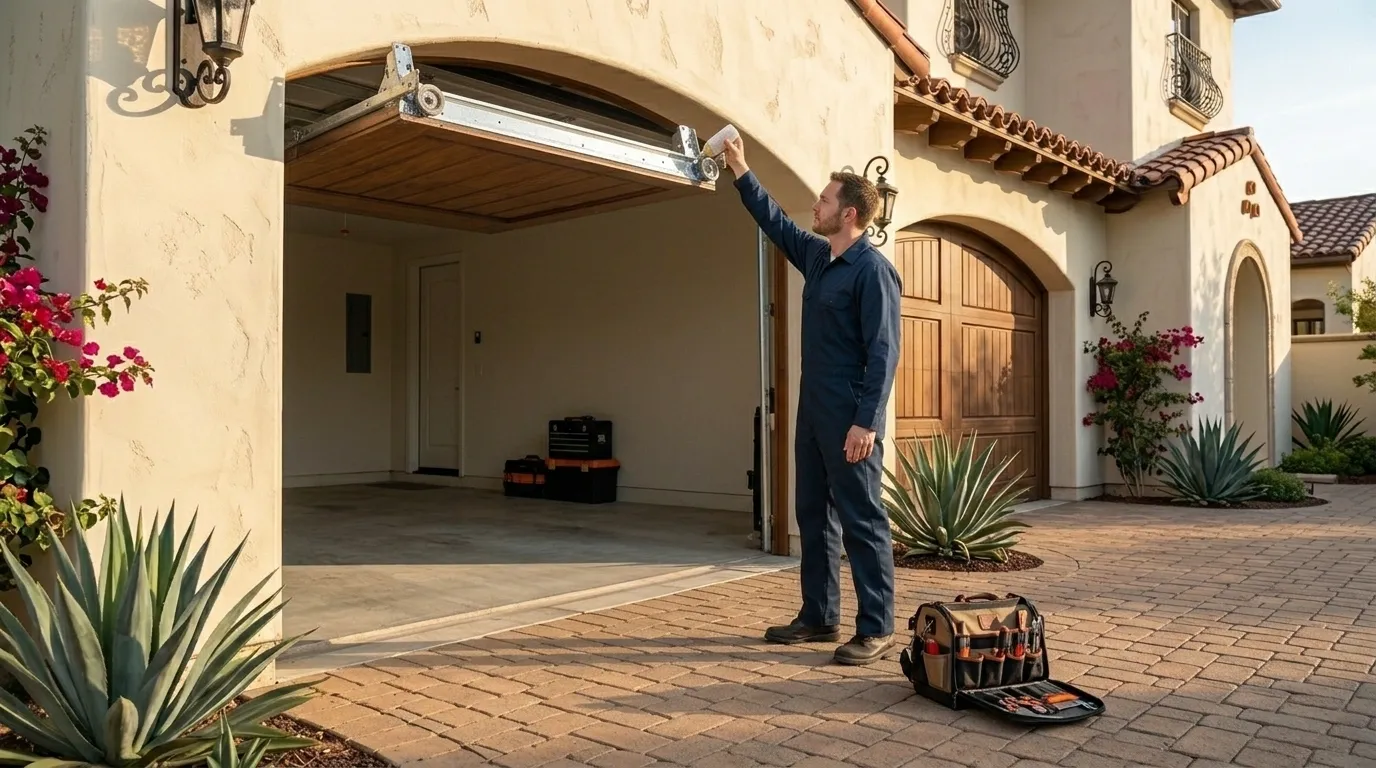
Garage Door Service
Tune-ups, lubrication, and safety checks that catch a small problem before it becomes a service call.
Learn more →Frequently Asked Questions
Is my garage door old because my house is old, or because the door itself hasn't been replaced?
Both are possible here. With a median build year of 1957 across the service area, a lot of houses still have original framing even if the door panel was swapped at some point. The header, track brackets, and jamb condition often matter more than the door's manufacture date, especially when diagnosing a spring or track failure.
Why does my door get harder to lift in the winter?
This area sits in a severe cold climate band, and torsion springs lose tension as steel contracts in the cold. On older hardware that was already near the end of its cycle life, a hard freeze is often what pushes a marginal spring into an outright break rather than a gradual weakening.
Can I replace just the spring on an older house without touching anything else?
Sometimes, but not always. If the header wood or mounting brackets are original to a pre-1960 house, they may not hold up under new spring tension safely. We check the mounting hardware before assuming a spring-only repair is the right call.
Get Started
Have a Door That Needs a Second Opinion?
Call and describe what it is doing - we will tell you what it likely is.