
Warren Garage Door Guide
Weather Seals and Draughts on a Warren Garage Door
Warren's pre-1960 housing stock and severe cold winters mean original seals fail fast. Here's what actually stops draughts on a Warren garage door.
- Licensed & Insured
- Same-Area Service Calls
- Upfront Pricing
How Local Conditions Play In
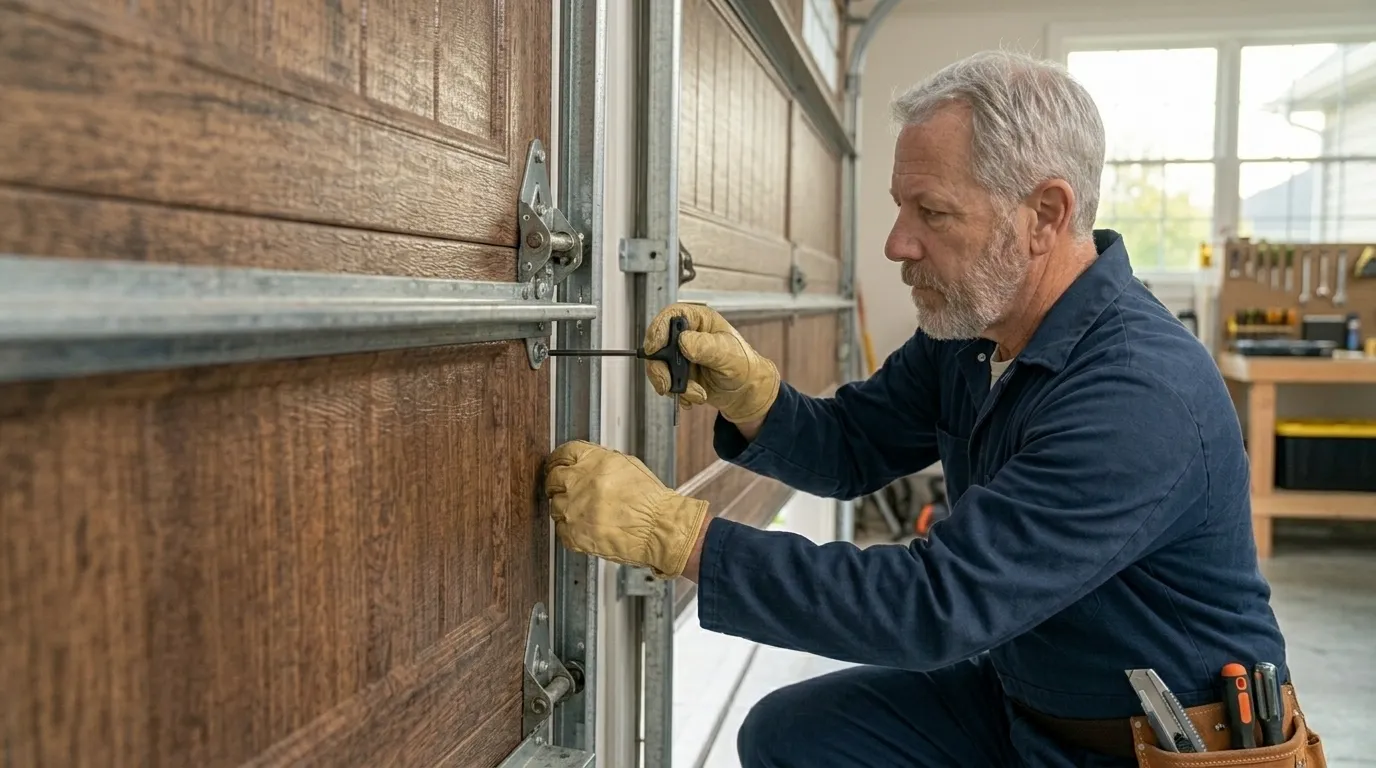
Warren sits in a cold-climate band with severe winter conditions, and that matters more for seals than for almost any other part of the door. The bottom seal and the side/top stop weatherstripping are rubber or vinyl, and rubber gets brittle fast when it cycles through hard freezes and the occasional thaw all winter. A seal that looked fine in October can crack the first week it drops well below freezing.
Housing stock plays into this too. A lot of the homes we work on across Warren and the surrounding area were built between 1938 and 2000, with a median build year around 1957, and most of the stock across the 41 named areas we serve is pre-1960.
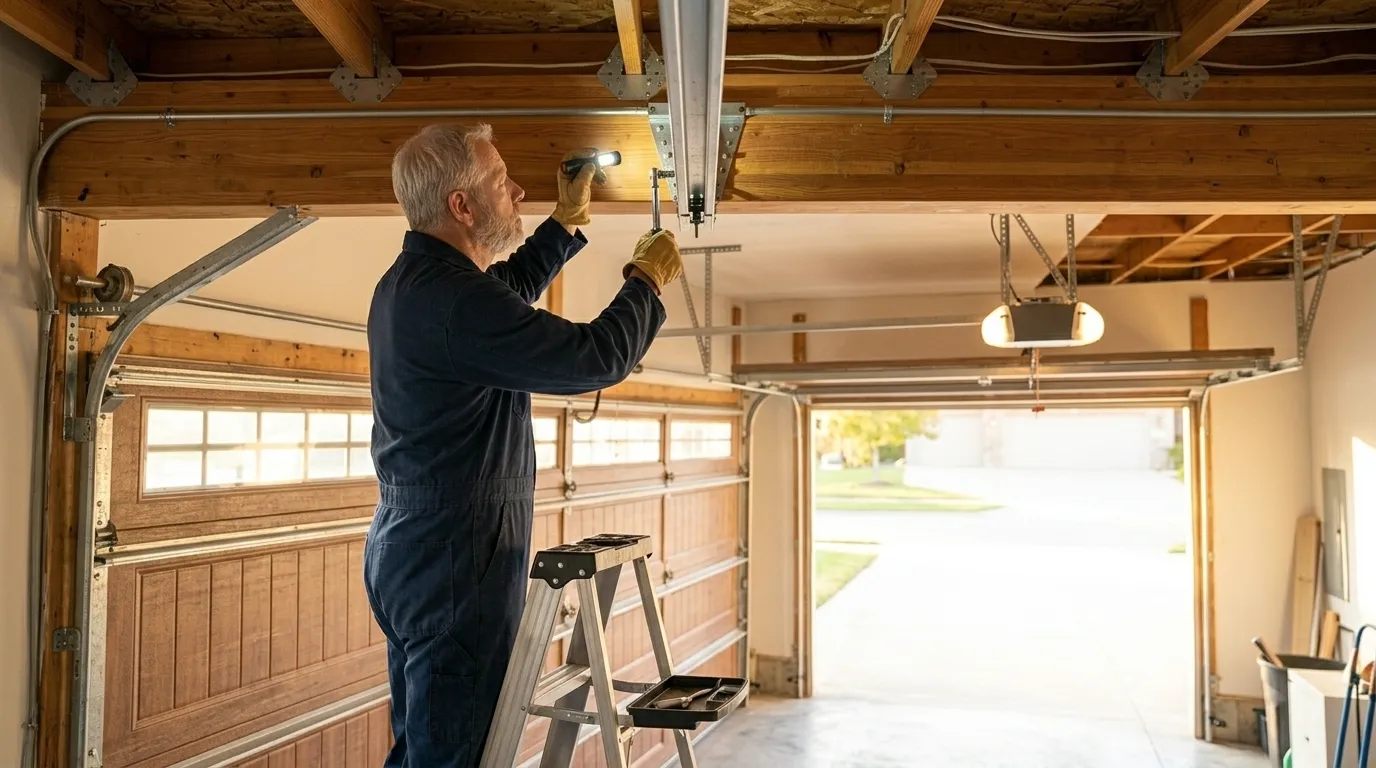
Garages from that era were framed to older tolerances, and slab settling over 60-plus years often leaves the floor no longer level under the door. That gap under one side of the door is where cold air pours in, and no amount of new bottom seal fixes it if the track and jamb aren't square to what's actually there now.
We see this most in the older sections close to Center Line, about a mile from the shop, where the housing pattern is nearly identical to Warren's own older streets.
When It Stops Being a DIY Job
Swapping a bottom astragal seal yourself is reasonable. Pull the old bead out of the retainer track, feed the new one in, done. That's a real DIY job and most homeowners can manage it in under an hour.
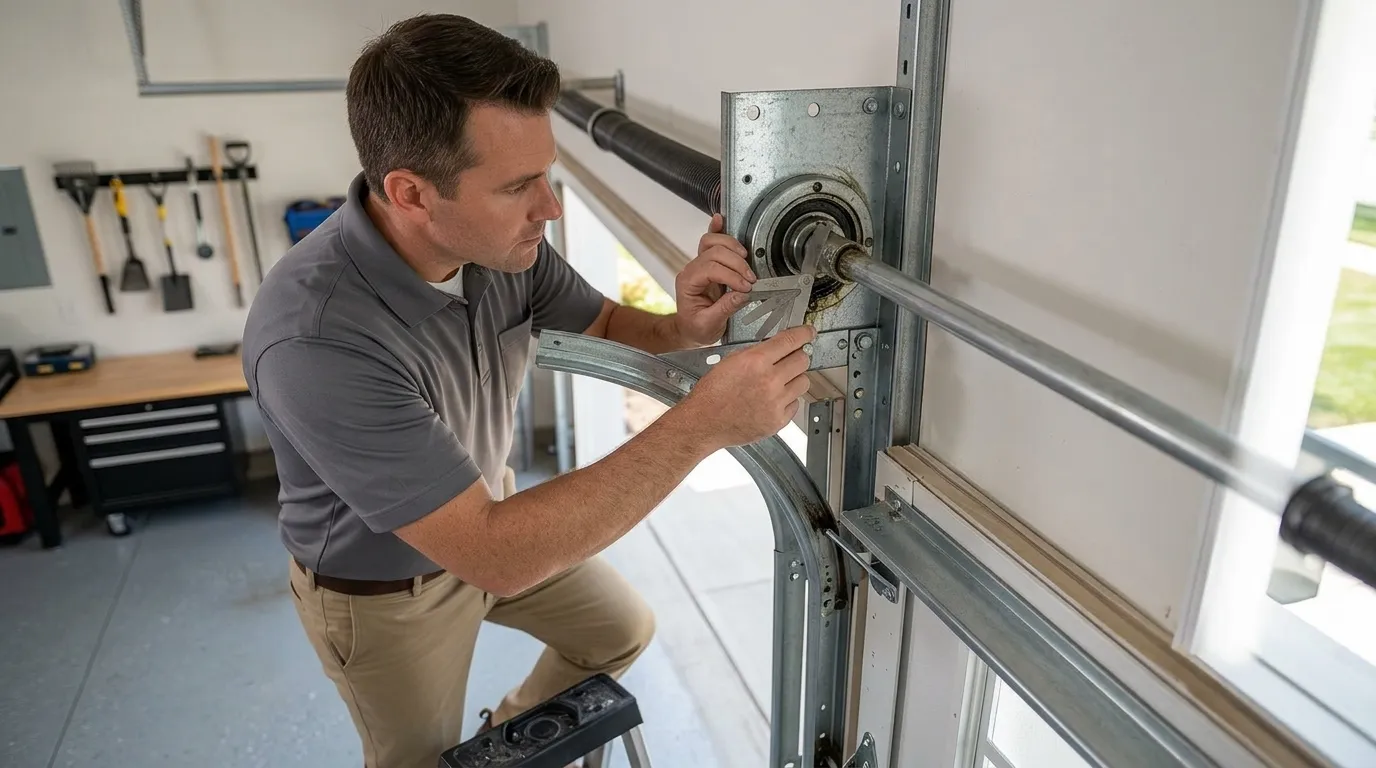
Where it stops being DIY: if the draught is coming from a warped panel, a jamb that's shifted with the house, or a track that's no longer plumb because the slab has settled - which, given how much of this area's housing is pushing 60 to 80 years old, is common. At that point a new seal just sits against a gap that isn't uniform, and you'll be back to feeling wind under the door within a season. That's a track and hardware alignment job, not a weatherstrip swap.
One honest limit: we don't rebuild a slab or repour a garage floor. If the concrete itself has heaved or dropped enough that the door can't seal against it no matter how the track is set, that's a concrete contractor's job first, ours second.
What Changes With the Season
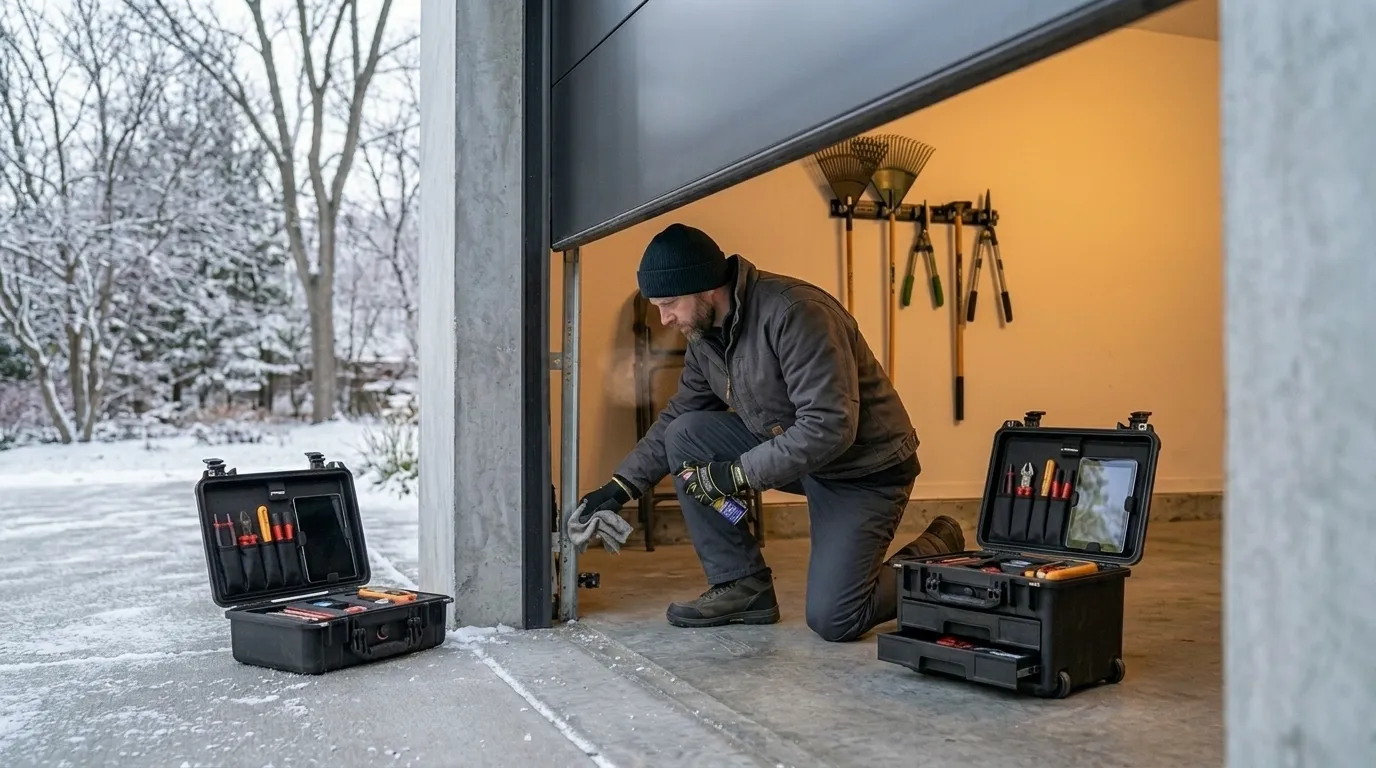
In a severe cold climate, seals do most of their failing between late fall and the coldest stretch of winter. The rubber contracts, loses flex, and starts pulling away from the door edge right when you need it sealed tightest. That's also when owners notice it - a cold garage means a cold laundry room or mudroom wall on the other side, on a lot of these older Warren-area floor plans where the garage shares a wall with living space.
Come spring thaw, the ground under the slab moves again, sometimes just enough to reopen a gap that seemed fixed in December. That freeze-thaw cycle is exactly what a severe cold climate band does to a garage that's sitting on a foundation poured decades before code required what it does now.
We don't see much call for seal work in summer here - it's a fall and early-winter job, timed to beat the first hard freeze rather than react to it.
What Is Going On
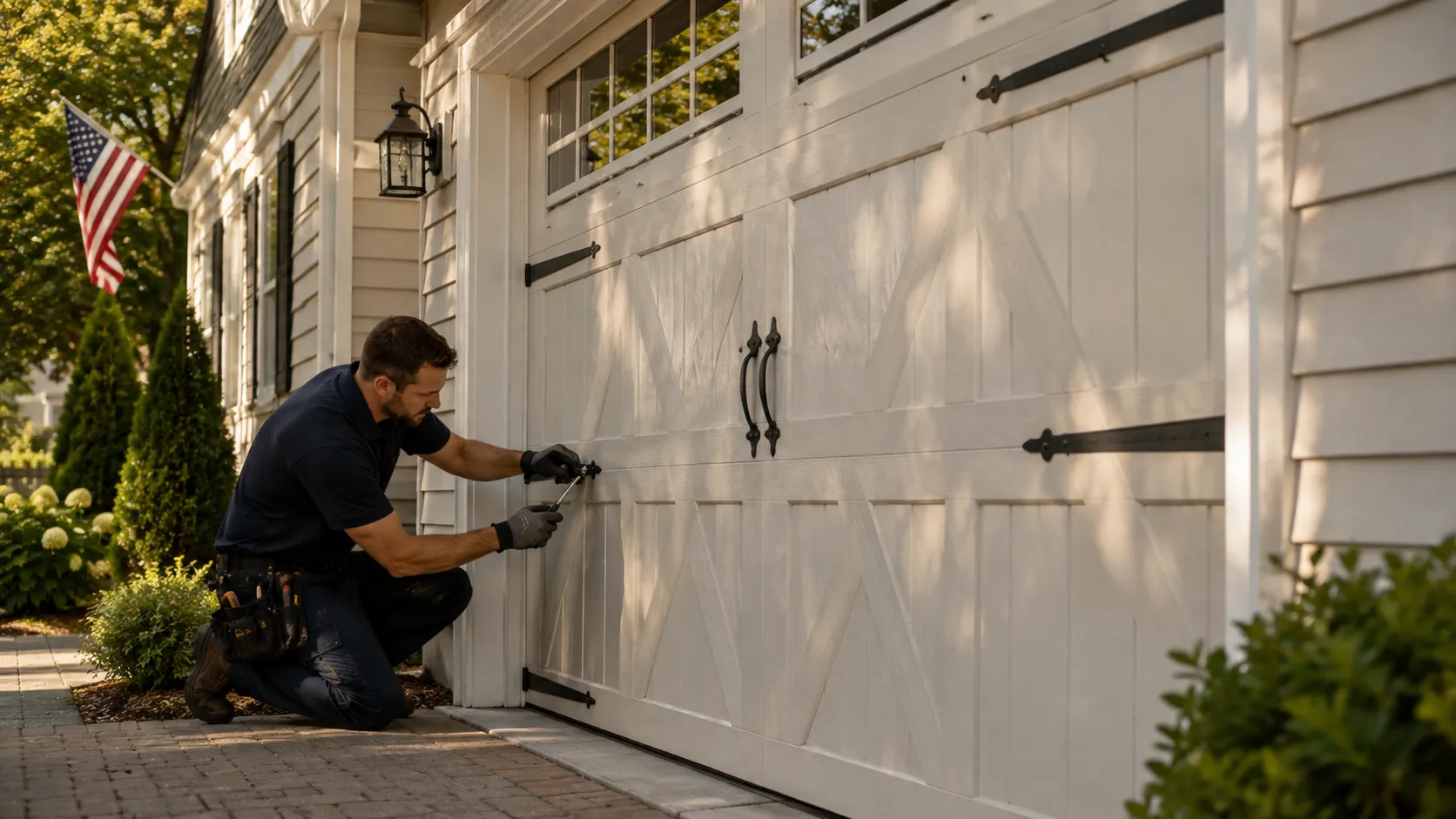
Across the area we cover - 338,897 households and 197,913 owner-occupied houses - the draught complaints cluster in the same neighborhoods every year: the older, pre-1960 pockets rather than newer builds. That's not a coincidence. It's original hardware, original framing tolerances, and decades of freeze-thaw working on both at once.
A new bottom seal costs little and takes little time, and for a lot of these calls that's genuinely all it needs. But if you've already replaced the seal once or twice and the draught's still there, the problem usually isn't the rubber - it's what the rubber is sealing against. That's a five-minute look at the track and threshold, not a guess.
How We Can Help
Garage Door Repair
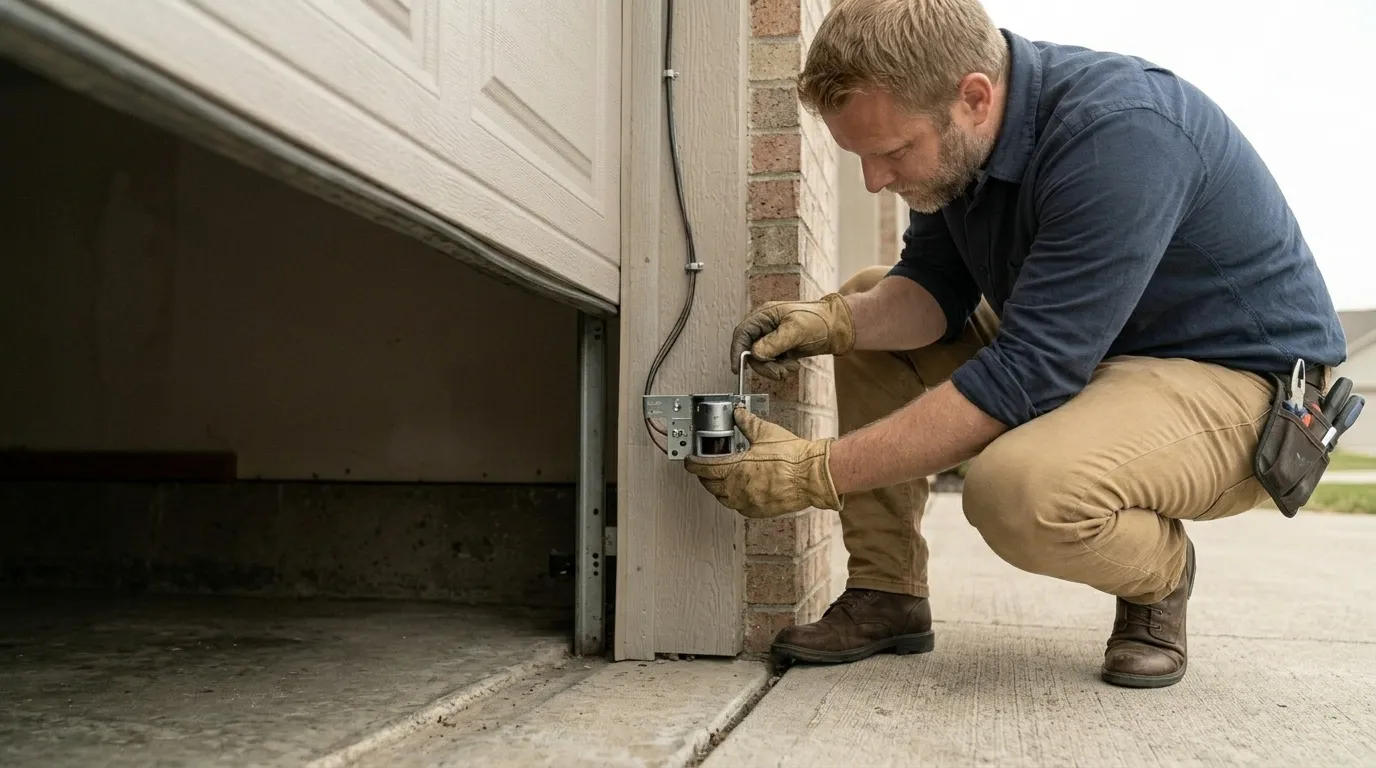
Springs, cables, tracks, rollers, and openers fixed by a tech who explains the problem before touching anything.
Learn more →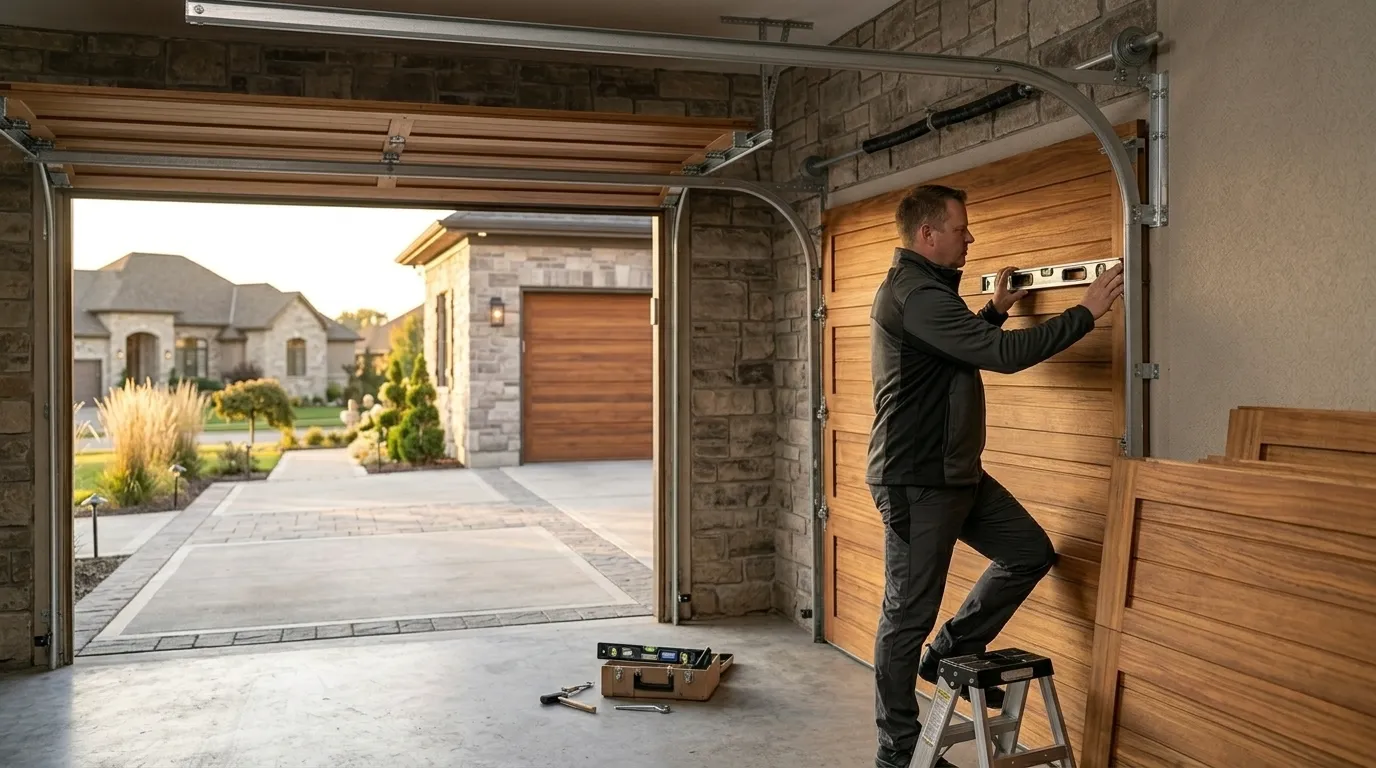
Garage Door Installation
New sectional doors sized and installed for the housing stock actually built in this area.
Learn more →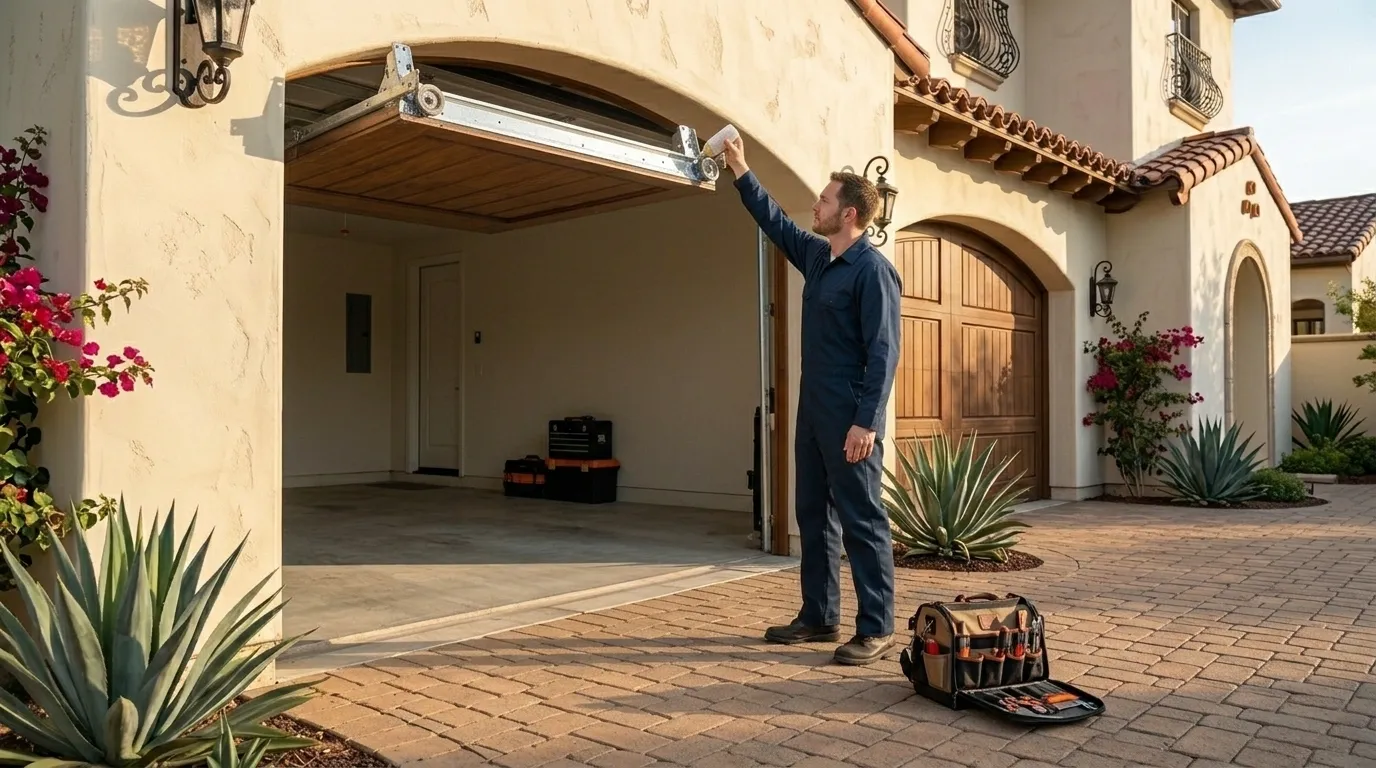
Garage Door Service
Tune-ups, lubrication, and safety checks that catch a small problem before it becomes a service call.
Learn more →Frequently Asked Questions
Why does my garage door let in cold air even with a new bottom seal?
Usually the seal is fine but the surface it's pressing against isn't flat anymore. In older Warren-area homes the slab has often settled over 60-plus years, leaving a gap on one side. A new seal can't compensate for an uneven floor - that needs a track adjustment, not another strip of rubber.
How often should I replace garage door weatherstripping in a cold climate like Warren's?
There's no fixed schedule, but in a severe cold band, rubber bottom seals typically get brittle and crack within a few winters of freeze-thaw cycling. Check it each fall before the first hard freeze - if it's stiff, cracked, or pulling away from the retainer, replace it then rather than mid-winter.
Can I fix a draughty garage door myself?
Swapping the bottom seal is a reasonable DIY job on most doors. If the draught persists after a fresh seal, the cause is likely a misaligned track or an uneven slab, which is a hardware alignment problem, not a weatherstrip problem, and worth having looked at directly.
Get Started
Have a Door That Needs a Second Opinion?
Call and describe what it is doing - we will tell you what it likely is.