
Warren Garage Door Guide
What Your Garage Door Is Trying to Tell You
In Warren, most houses date to 1938-2000 with a 1957 median build year, so a grinding, popping, or slamming door usually points to a specific, fixable cause.
- Licensed & Insured
- Same-Area Service Calls
- Upfront Pricing
How Local Conditions Play In
Warren's housing didn't happen all at once. Building records for this service area run from 1938 to 2000, with the median home going up in 1957, and most of the neighborhoods across Warren are still working off pre-1960 stock. That matters more than people think when a door starts making noise.
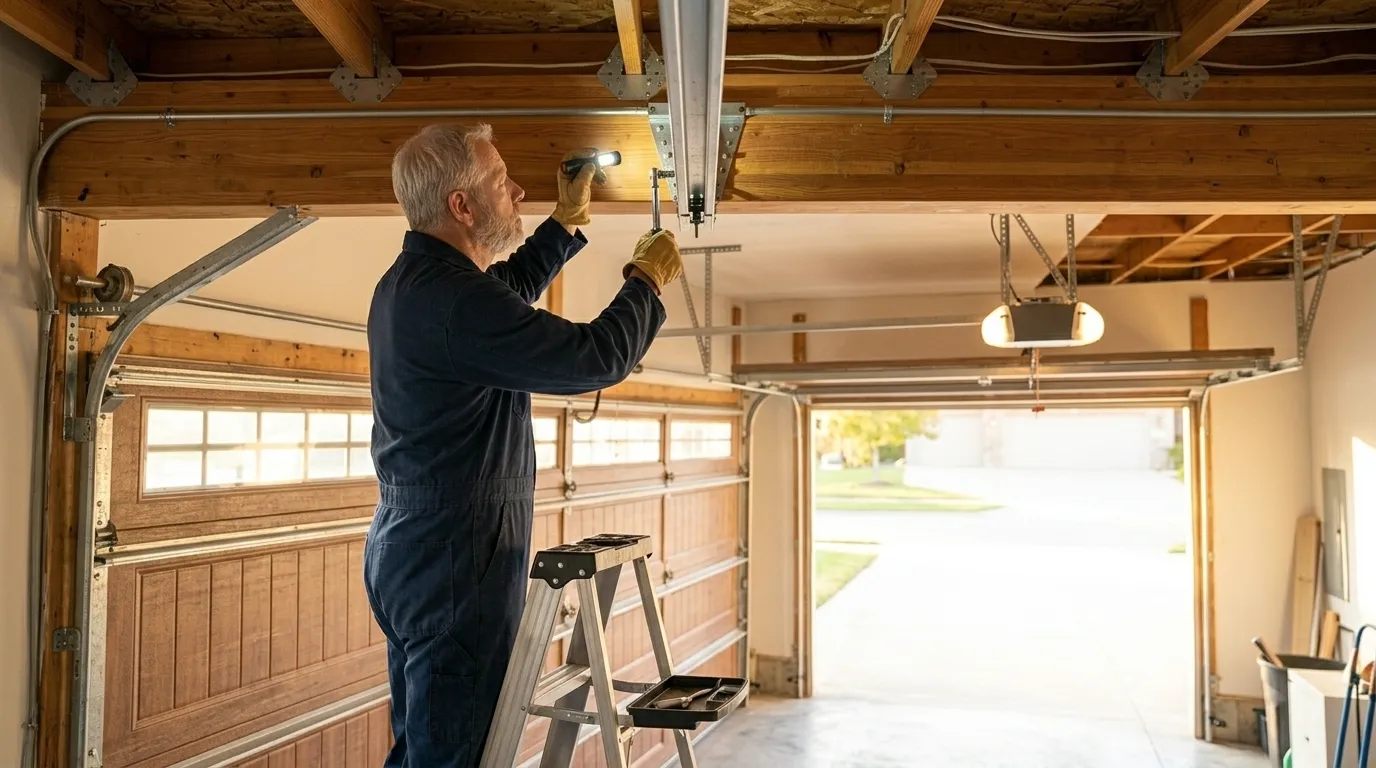
A door hung on a house built in the Eisenhower years sits on hardware nobody manufactures anymore - thinner track, different roller spacing, brackets sized for lighter panels than what gets sold today. When one of those older systems shifts even slightly, the sound carries differently than it would on a house built in 2005. Add in a cold-severe climate, and steel that's already sixty-plus years old contracts harder every winter, loosening fasteners that were torqued down under different temperature conditions decades ago.
We work across this belt - from Center Line a mile out to Eastpointe, Roseville, and Madison Heights a few miles further - and the pattern holds through most of Warren and the towns just past it: the older the shell, the more the door talks before something actually breaks.
When It Stops Being a DIY Job
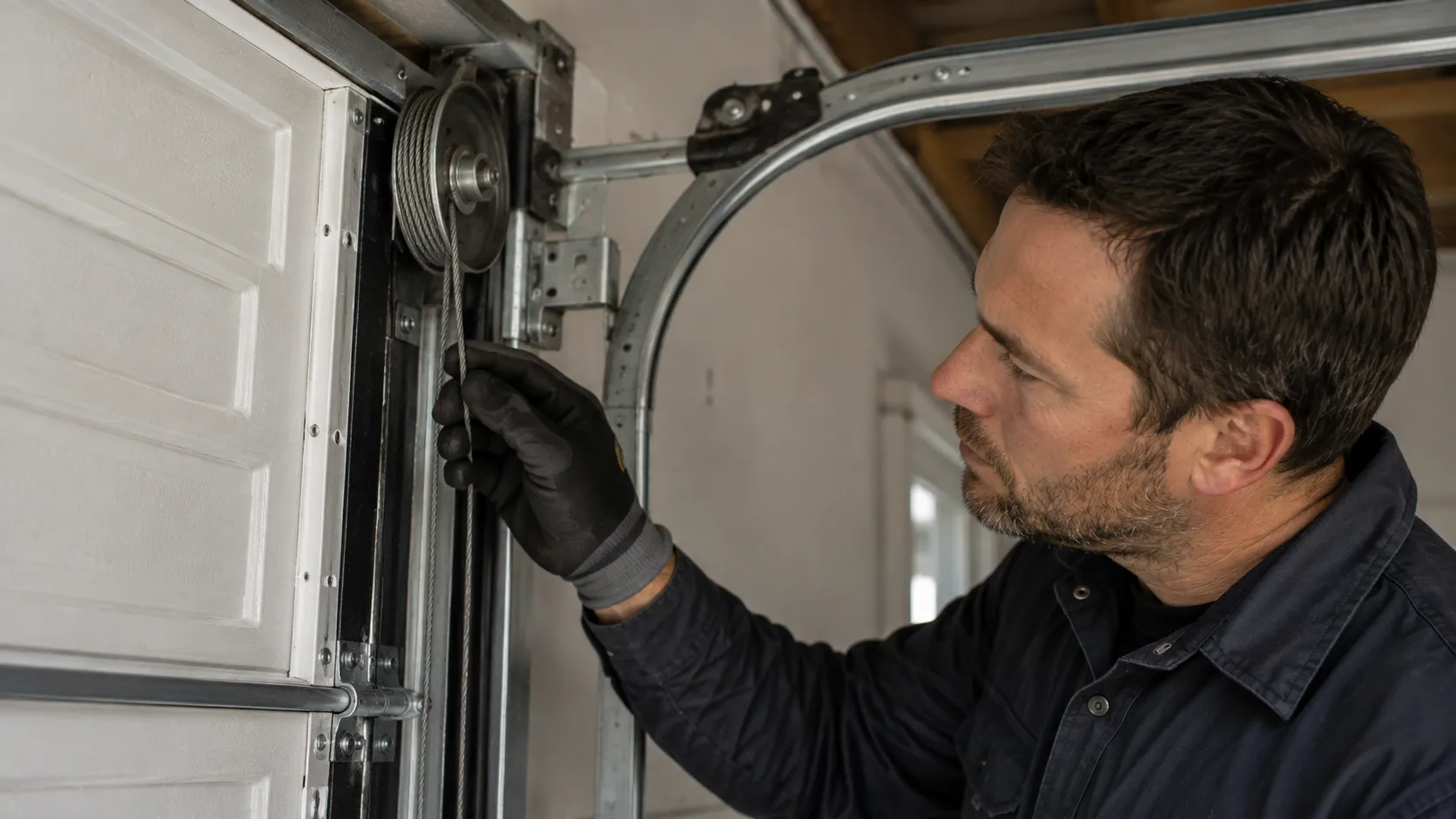
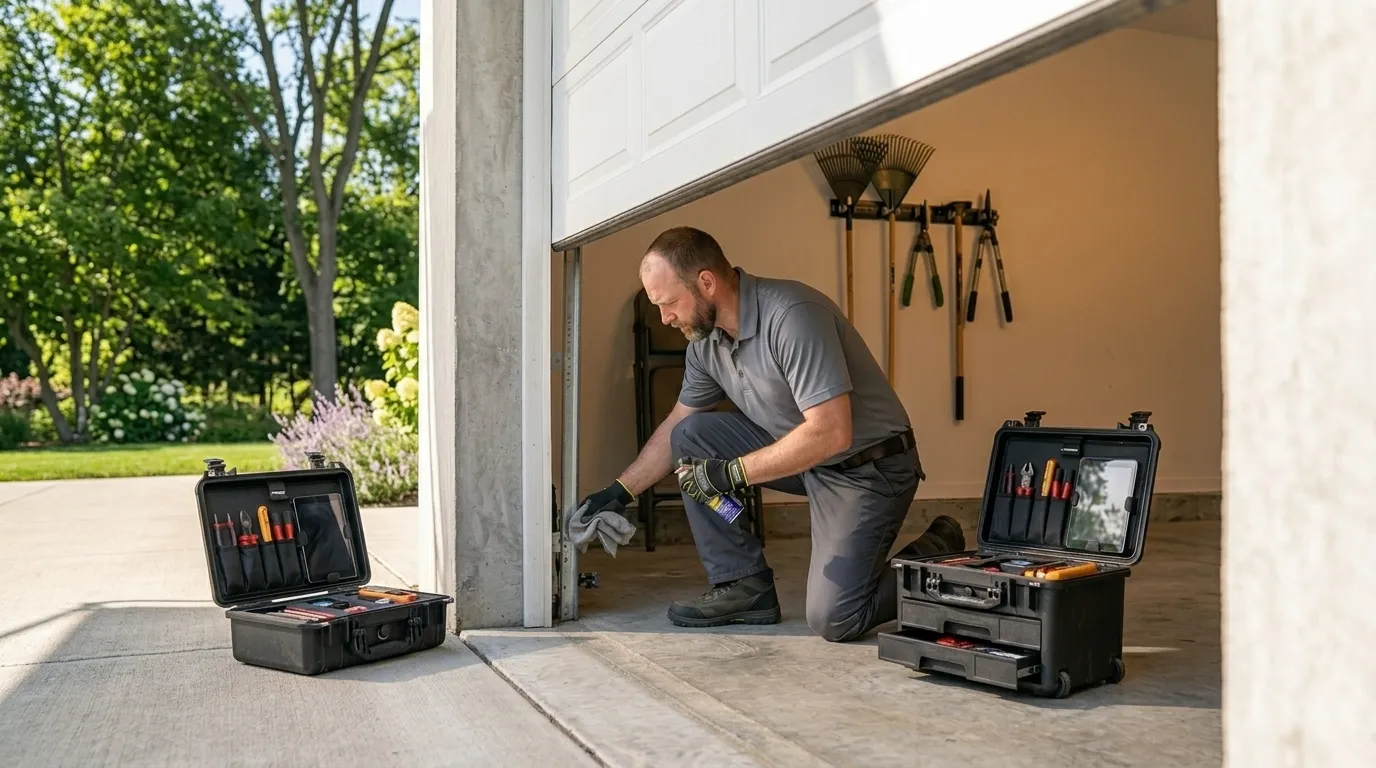
A squeak you can chase with a can of white lithium grease. A grinding thump on the way up, especially paired with the door hesitating, usually means a bent track or a roller worn through its bearing - jobs where a homeowner with a ladder can make things worse before we ever get a call. Torsion springs are the hard line.
If the noise is a bang, a pop, or a sudden loss of tension, don't touch the spring assembly. It's under enough load to break a bone.
Cost matters too. Household income across Warren's service area runs around $72,693, and a lot of the owners we talk to want to know honestly whether a repair is worth doing before they spend the money.
On a door original to a 1950s-built house, sometimes the track and drum are so far out of spec that patching one part just moves the noise somewhere else in six months. We'll tell you that instead of billing you twice.
What we won't do is diagnose a noise over the phone and guess. Openers, springs, and track all sound different when they're failing, and a wrong diagnosis wastes your money either way.
What Changes With the Season
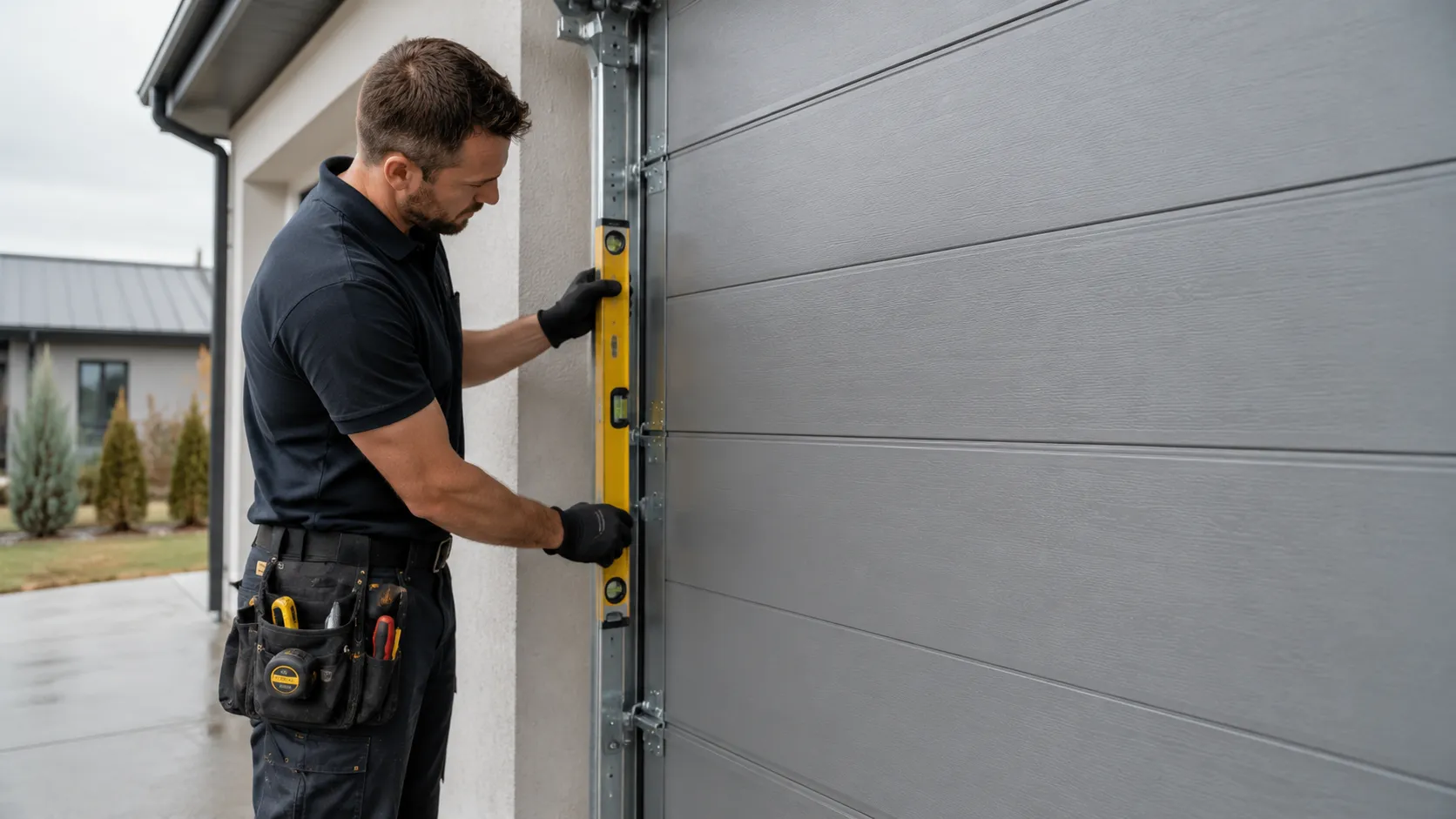
Warren sits in a cold-severe climate band, and that shows up in the noise before it shows up anywhere else. Steel contracts as temperatures drop, so a track that ran quiet in September can start ticking or groaning by January simply because the metal has pulled tighter against its brackets. Lubricant thickens too - anything not rated for cold gums up inside rollers and hinges, and a door that used to glide starts to shudder on the way down.
Openers take a hit as well. The chain or belt on a unit that's been fine all summer can develop slack once the housing contracts, showing up as a rattle right before the motor engages. None of this means the hardware is failing outright.
It means cold is doing what cold does to metal that's already decades old in a lot of these houses. We see the calls spike the same way every winter, and most trace back to the same handful of causes: stiff lubricant, contracted brackets, and springs carrying slightly more load than they did in July.
What Is Going On
A few patterns come up over and over on the calls we take.
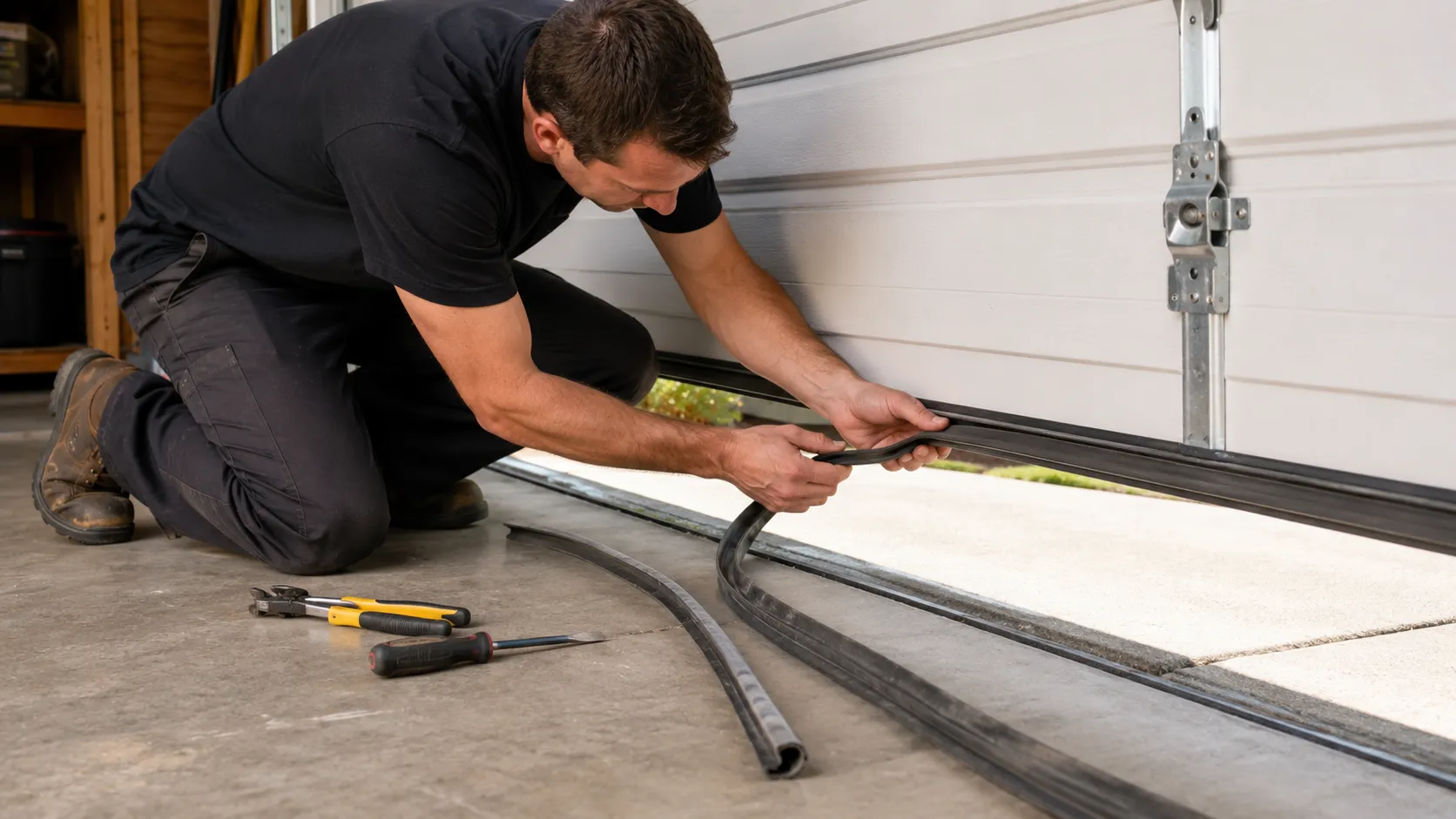
- A rhythmic thump once per rotation - usually a flat spot on a roller, more common on doors that have run fifteen-plus years without a roller swap. - A sharp bang followed by the door refusing to move - a broken torsion spring. Don't try to open the door manually until it's replaced.
- A grinding sound low in the frame - often a track that's pulled slightly out of alignment, which happens more on the older, lighter-gauge track still installed on a lot of the pre-1960 housing across Warren. - A high squeal that gets worse in cold weather - dry hinges or rollers, usually solved with the right lubricant for the temperature. - A humming opener that doesn't lift the door - a worn drive gear or slipping belt, unrelated to the door itself.
These aren't guesses pulled from a general list - they're the noises that actually show up on doors built for houses standing since the late 1930s through 2000, running through winters that are hard on steel and hard on grease. If you can describe what you're hearing, we can usually tell you which of these it is before we even get in the truck.
How We Can Help
Garage Door Repair
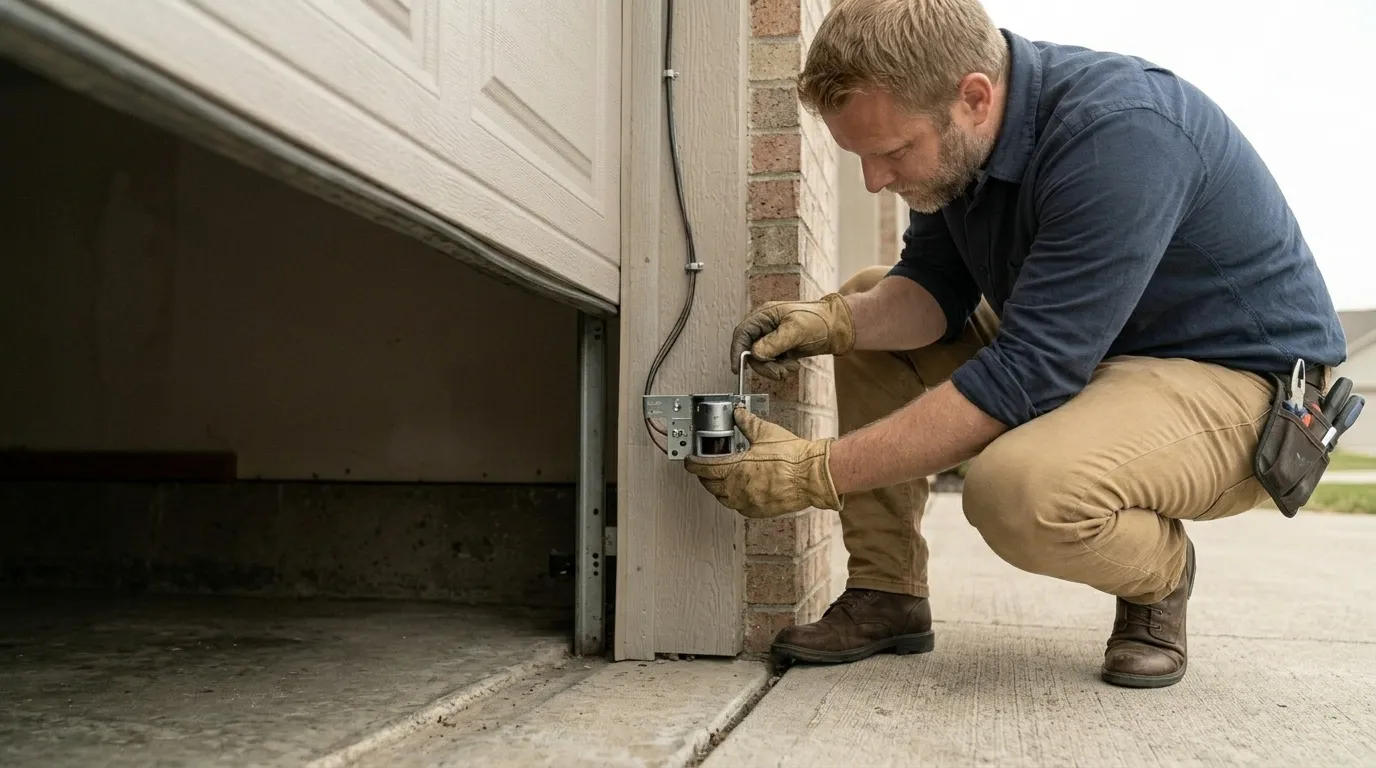
Springs, cables, tracks, rollers, and openers fixed by a tech who explains the problem before touching anything.
Learn more →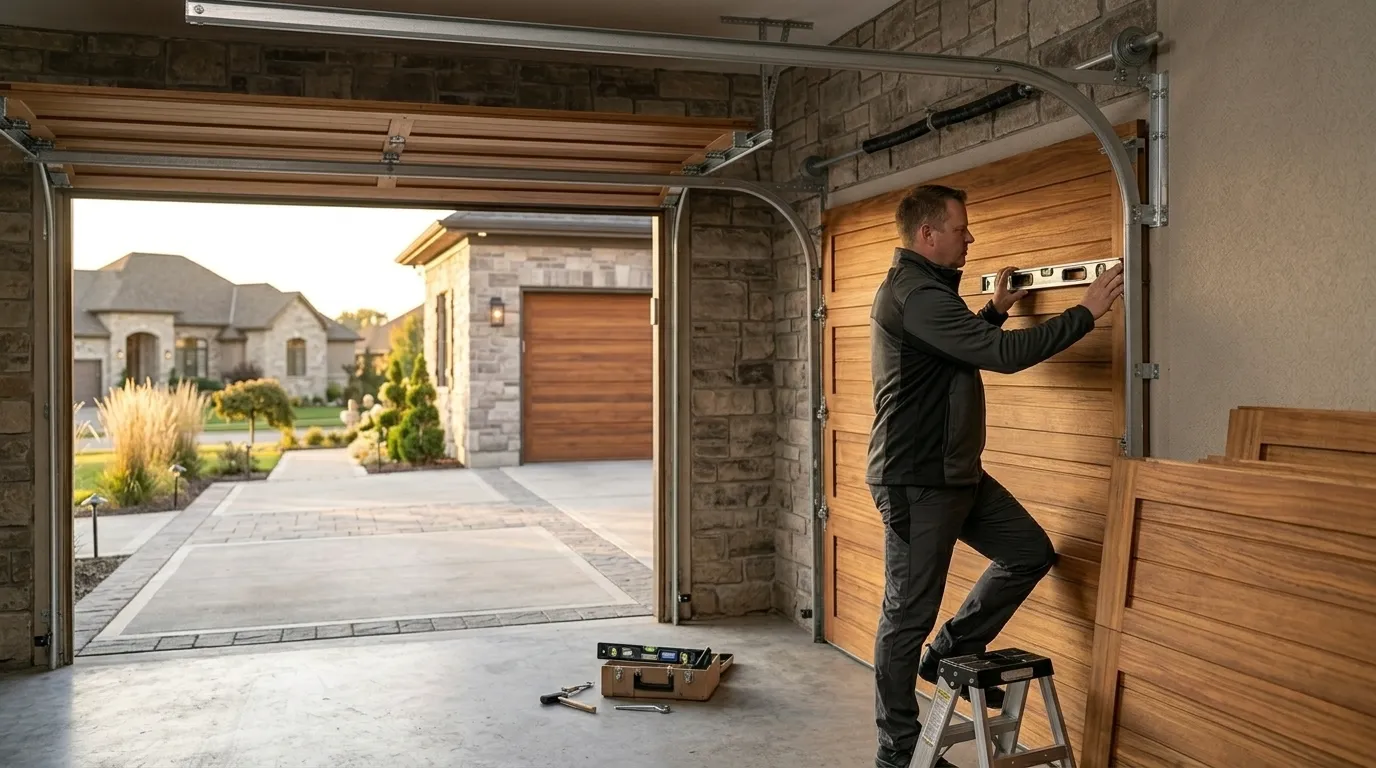
Garage Door Installation
New sectional doors sized and installed for the housing stock actually built in this area.
Learn more →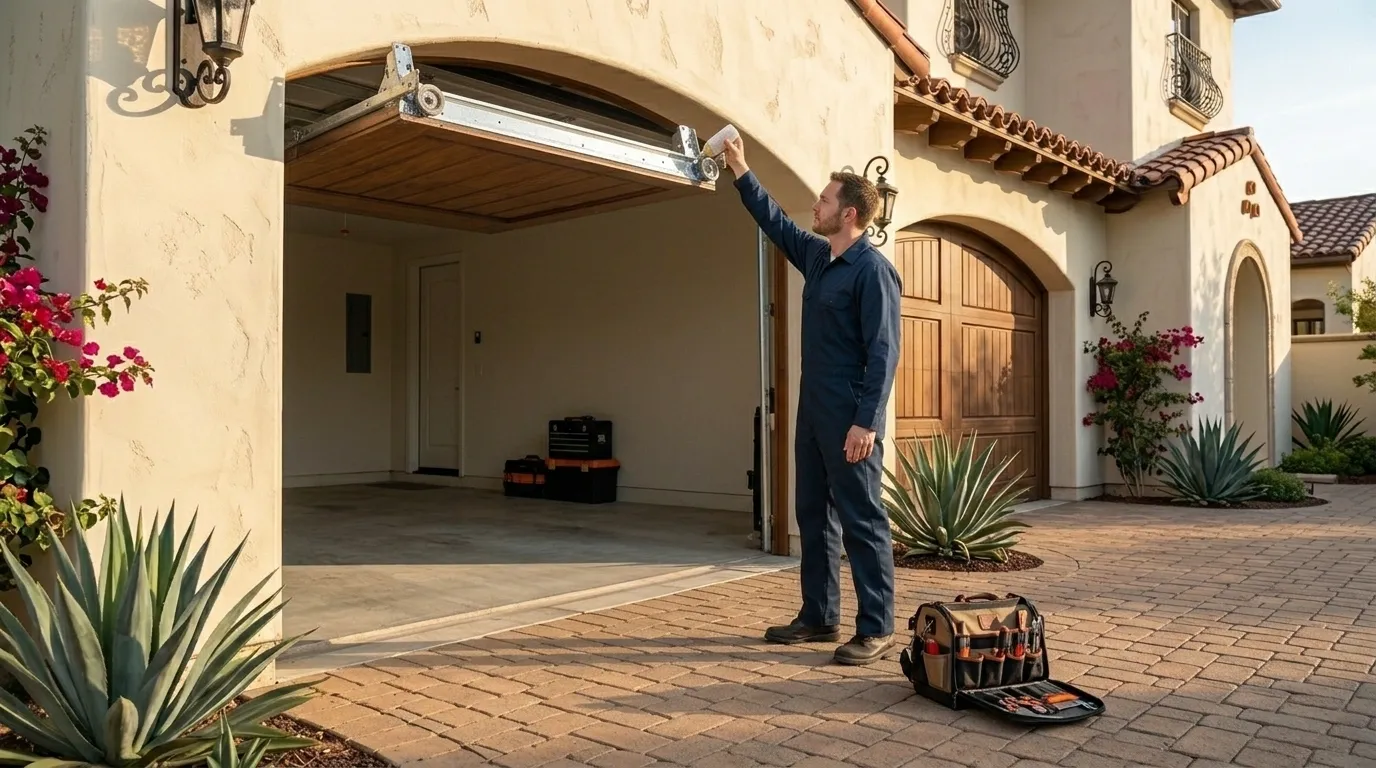
Garage Door Service
Tune-ups, lubrication, and safety checks that catch a small problem before it becomes a service call.
Learn more →Frequently Asked Questions
Why does my garage door make more noise in winter?
Warren sits in a cold-severe climate band, and steel brackets and track contract as temperatures drop, pulling hardware slightly tighter than it sat in summer. Lubricant also thickens in the cold, so rollers and hinges that ran quiet in July start ticking or squealing by January. It's mechanical, not a sign the door is failing outright.
My house was built in the 1950s - does that make the noise worse?
Often, yes. A lot of the housing in this service area went up between 1938 and 2000 with a median build year of 1957, and doors on those homes frequently still run on older, lighter track and roller hardware. That hardware transmits vibration differently than newer systems, so a loose bracket sounds louder and sharper than it would on a house built in 2005.
Is a grinding noise always the spring?
No. A broken torsion spring usually announces itself with a loud bang and the door refusing to move afterward, not a steady grind. A grinding sound while the door is running is more often a track out of alignment or a worn roller bearing. Both are fixable, but they're different repairs with different parts.
Can I just spray WD-40 on everything that squeaks?
WD-40 is a solvent, not a lubricant, and it can wash out grease already in the rollers, making the noise worse within a few weeks. A door-specific lithium or silicone lubricant rated for cold holds up better through the winters this area gets.
Get Started
Have a Door That Needs a Second Opinion?
Call and describe what it is doing - we will tell you what it likely is.