
Warren Garage Door Guide
Why Your Garage Door Jumps the Track in Warren
Warren homes built between 1938 and 1957 pair original track hardware with severe cold winters - a combination that knocks doors off track more than newer builds see.
- Licensed & Insured
- Same-Area Service Calls
- Upfront Pricing
How Local Conditions Play In
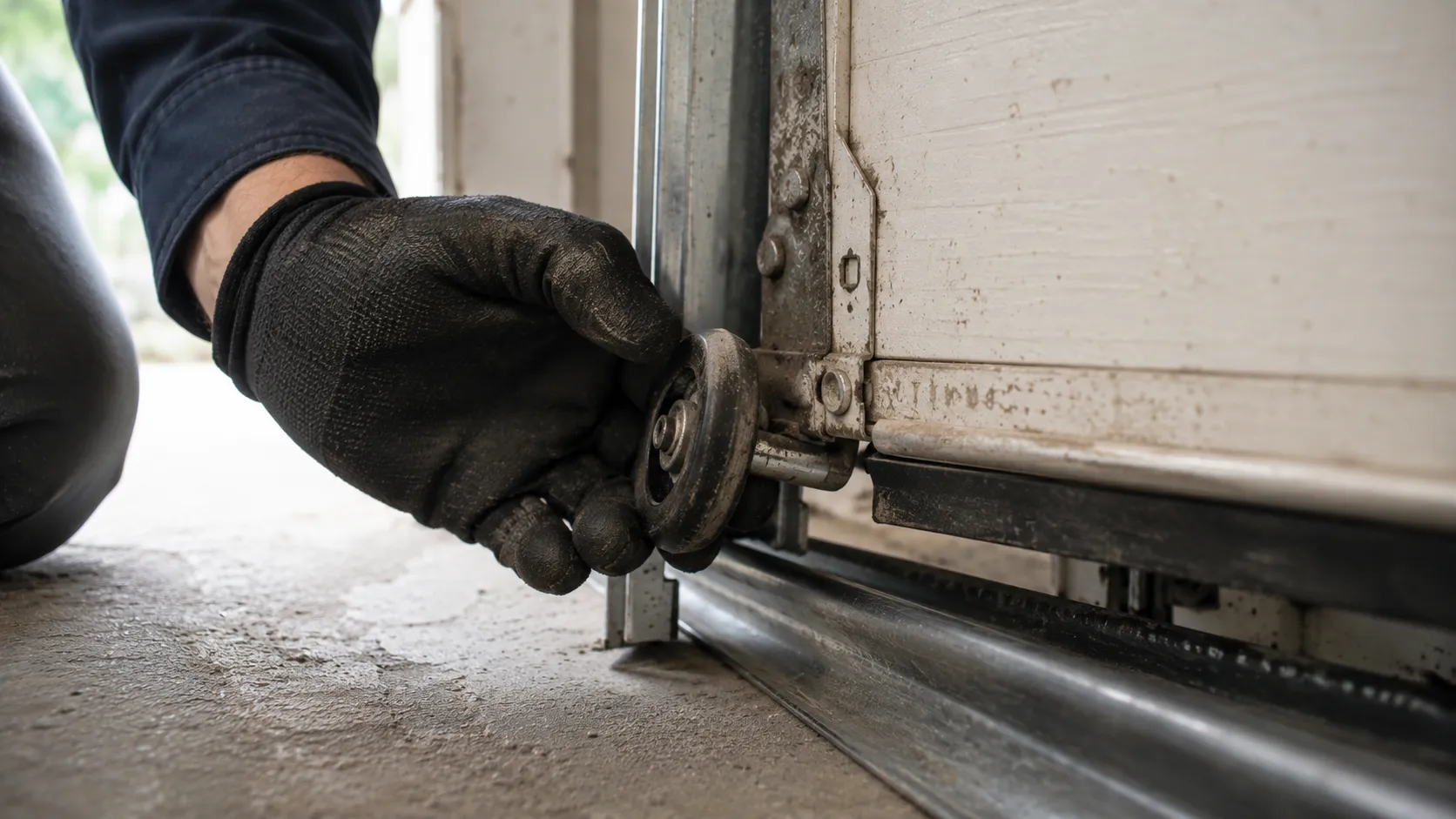
Most of Warren's housing went up between 1938 and 2000, with the median build year sitting at 1957, and across the 41 named areas that make up this service territory the stock skews even older - pre-1960 in most pockets. That matters for tracks because a house built in the Eisenhower era usually still has its original track brackets, or a replacement set installed decades ago on the same fastener holes in aging jamb wood. Those brackets loosen with age, and a loose bracket lets the track lean a fraction of an inch out of true.
You won't see it looking at the door from the driveway. You'll see it in a roller that rides the edge of the track instead of the center, wearing a groove into the flange until the roller finally pops free on a cold morning. Newer subdivisions with fresh framing don't have this problem the same way - the wood hasn't had sixty-plus years to shrink, swell, and work the screws loose.
Here, it's the rule more than the exception. If your door has started making a new rattle on the way up, or the panel doesn't sit flush at the top of its travel, that's usually a bracket problem showing up before the roller finally lets go.
When It Stops Being a DIY Job
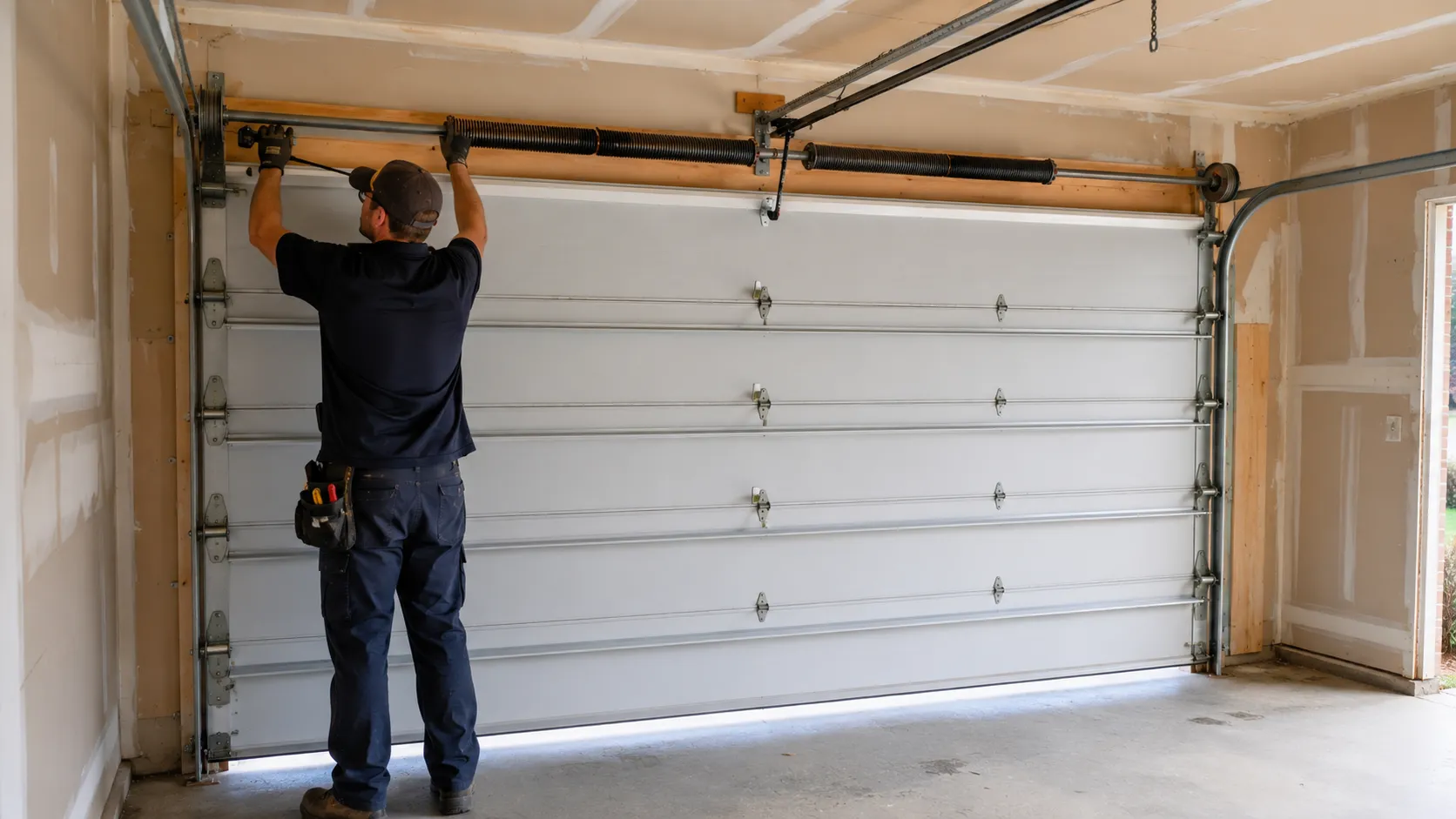
You can push a door back onto its track yourself if it's just resting against the rail - pull the release, ease the door back over, and reset it. What you should not do is force a door that's bound tight against a bent track or a cable that's come off its drum. On a cold Warren morning, steel track that's been struck or leaned on gets brittle enough that a bend doesn't pop back true; it stays kinked, and every roller after that hits the same spot.
If the door is off track on one side only, or if you can see a cable hanging slack, stop. That's a spring-under-tension situation, and on a torsion setup common to the older builds around here, that's not a job to learn on your own garage. We don't recommend homeowners re-tension a spring or straighten track themselves - it's the fastest way to turn a $200 repair into a trip to the ER.
Call it in at that point.
What Changes With the Season
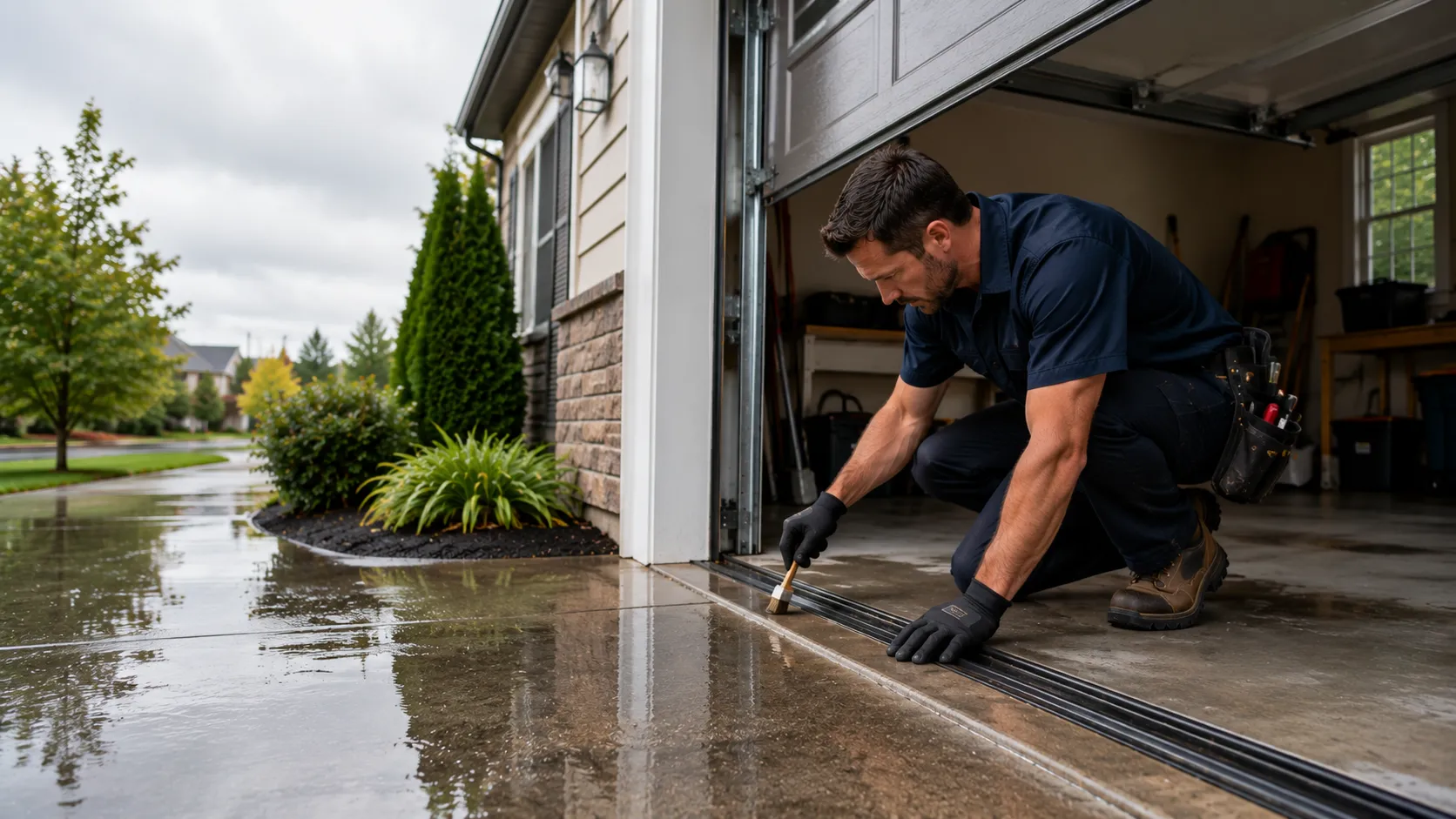
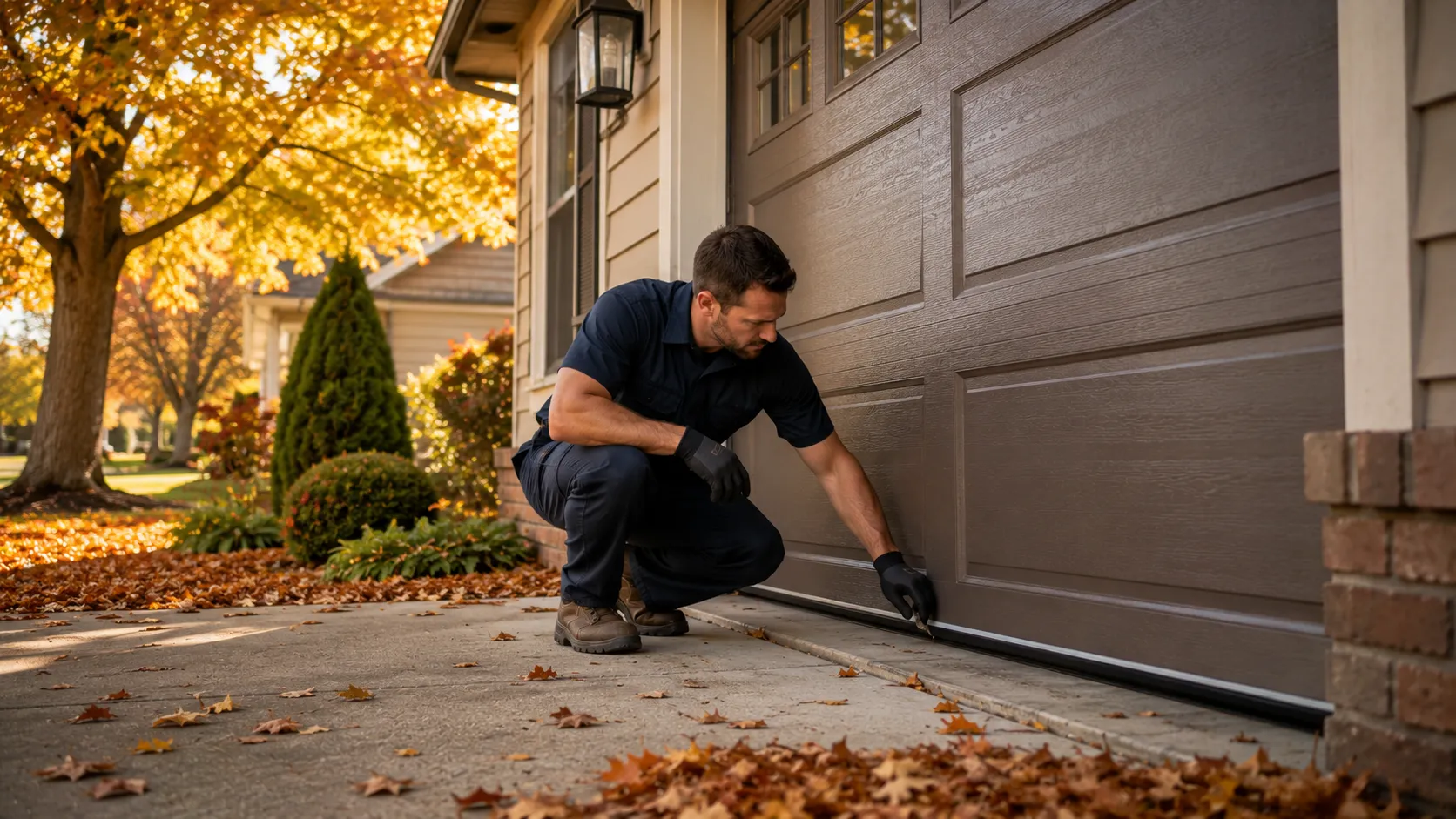
Warren sits in a severe cold climate band, and that swing between summer humidity and winter cold is hard on track alignment specifically. Wood jambs expand slightly in warm months and contract when temperatures drop, and on houses built before 1960 that framing has already gone through this cycle for decades - the fasteners holding the track brackets have less wood fiber to bite into than they did when the house was new.
Cold also stiffens the lubricant in the rollers and hardens rubber door seals, so a door that was riding a hair off-center in August can bind and jump the track in January when everything's tighter and less forgiving. We see more off-track calls in the cold months than any other time of year, and it's rarely a coincidence - it's the same worn bracket or bent rail that's been getting by all summer finally failing when the metal contracts.
What Is Going On
When we get an off-track call in Warren, the diagnosis usually comes down to one of three things: a bracket that's worked loose from decades in original jamb wood, a track that's taken a hit and bent just enough to throw off roller alignment, or a roller itself that's worn down and no longer rides true in the channel. Given how much of the housing stock here predates 1960, we check hardware age before we check anything else - a door with its original 1950s-era track brackets is a different repair than one installed five years ago.
Across a service area of nearly 340,000 households and close to 198,000 owner-occupied houses, we see the full range, but the older neighborhoods closer to the center of Warren and toward Center Line consistently produce more bracket-and-track calls than the newer construction further out. That's not a guess - it tracks with when the houses were built.
How We Can Help
Garage Door Repair
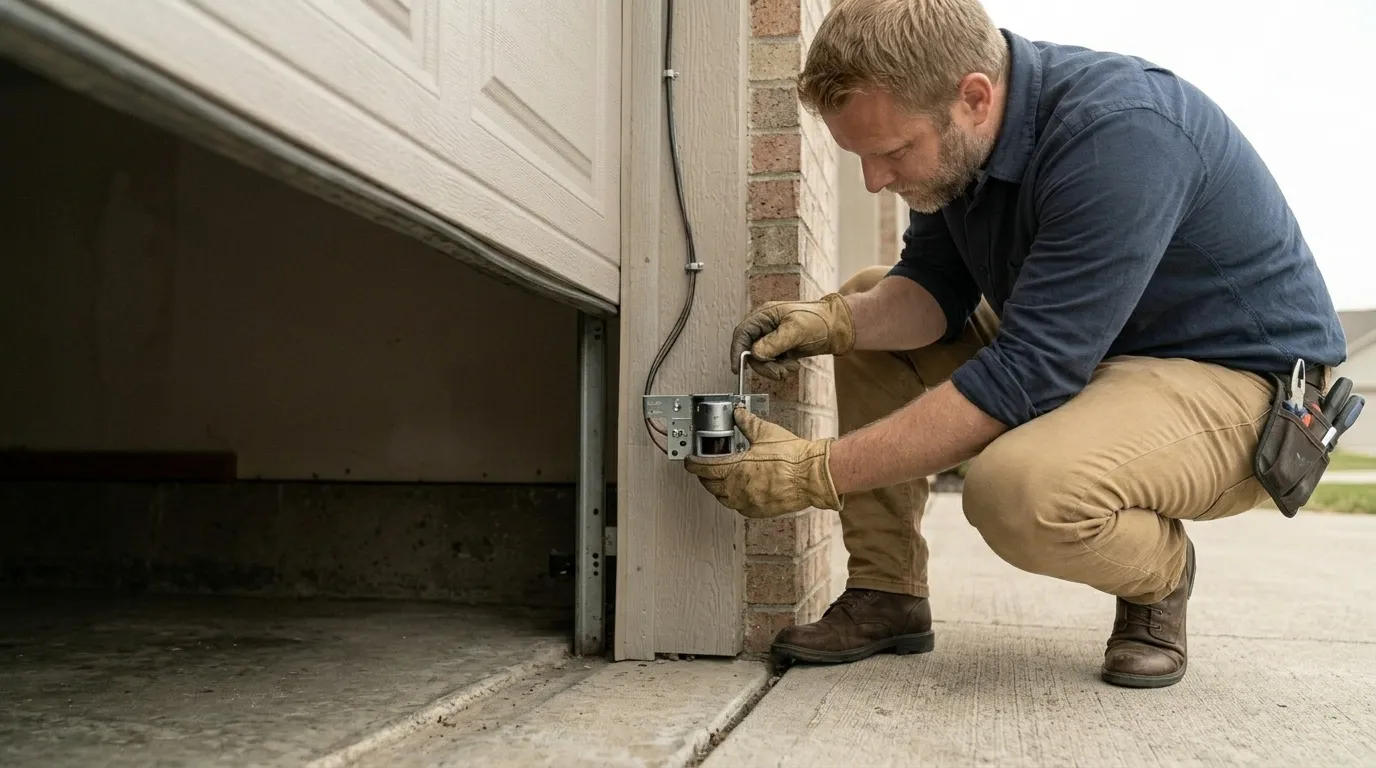
Springs, cables, tracks, rollers, and openers fixed by a tech who explains the problem before touching anything.
Learn more →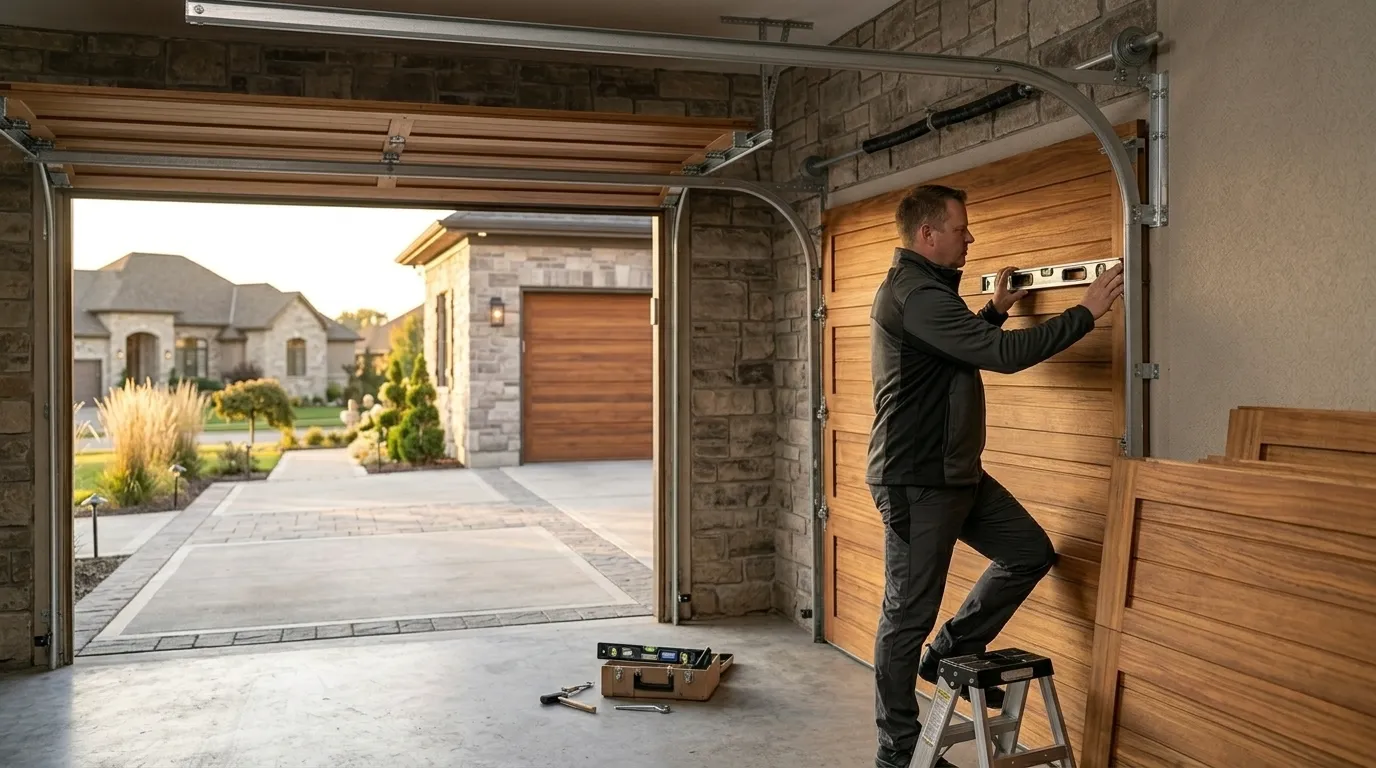
Garage Door Installation
New sectional doors sized and installed for the housing stock actually built in this area.
Learn more →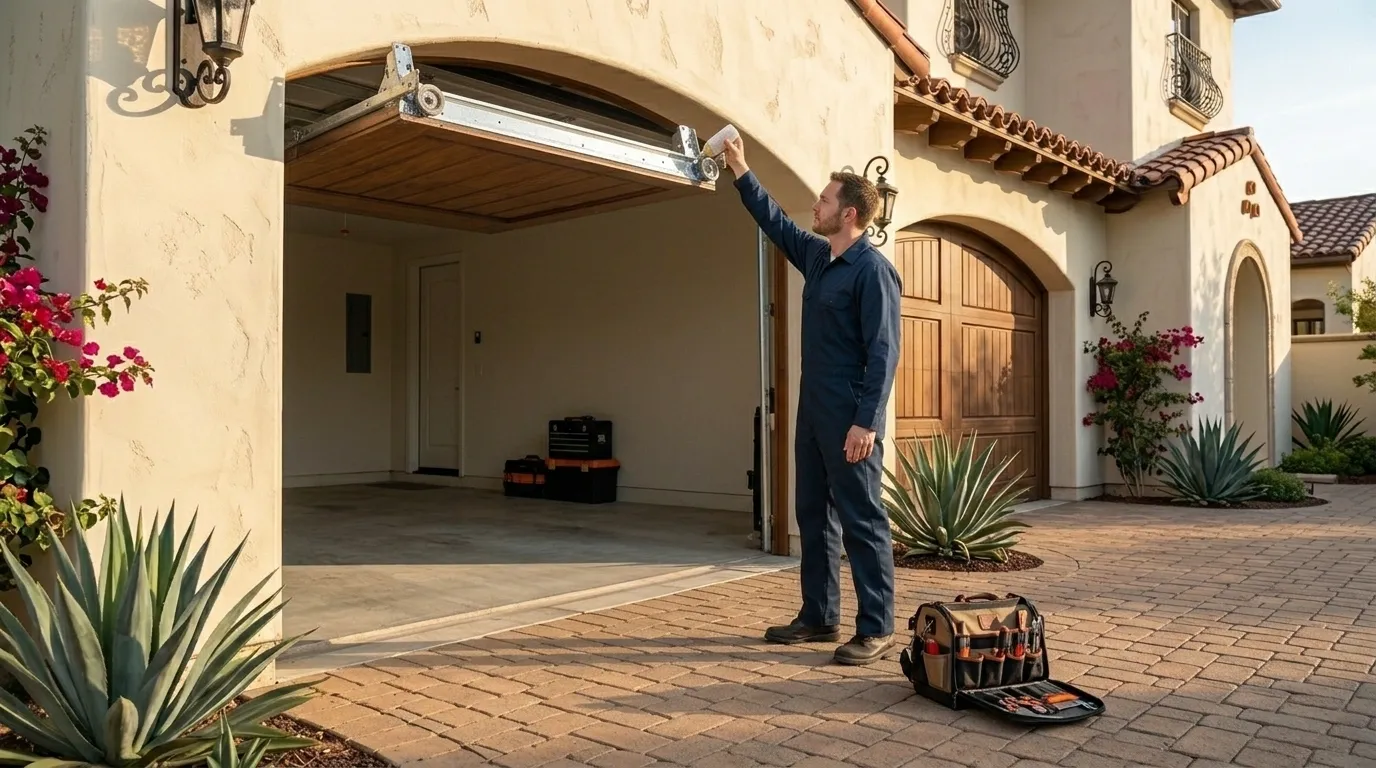
Garage Door Service
Tune-ups, lubrication, and safety checks that catch a small problem before it becomes a service call.
Learn more →Frequently Asked Questions
Why did my garage door suddenly come off the track this winter?
Cold hardens lubricant and rubber seals and makes steel track more brittle, so a bracket or roller that was already marginal from age often fails once temperatures drop. In a severe cold climate like Warren's, this is the most common time of year for off-track calls.
Is it safe to push my garage door back onto the track myself?
Only if the door is simply resting against the rail with no bent metal and no slack cable. If a cable's off the drum or the track looks bent, stop and call - that usually means a spring under tension, and older Warren homes often still have original torsion hardware that isn't safe to handle without training.
Does my house's age affect how often this happens?
Yes. Warren's housing stock runs mostly 1938 to 2000 with a median build year of 1957, and pre-1960 stock is common across the area. Older jamb wood holds bracket screws less firmly after decades of seasonal expansion and contraction, which is a direct cause of track misalignment.
Get Started
Have a Door That Needs a Second Opinion?
Call and describe what it is doing - we will tell you what it likely is.